
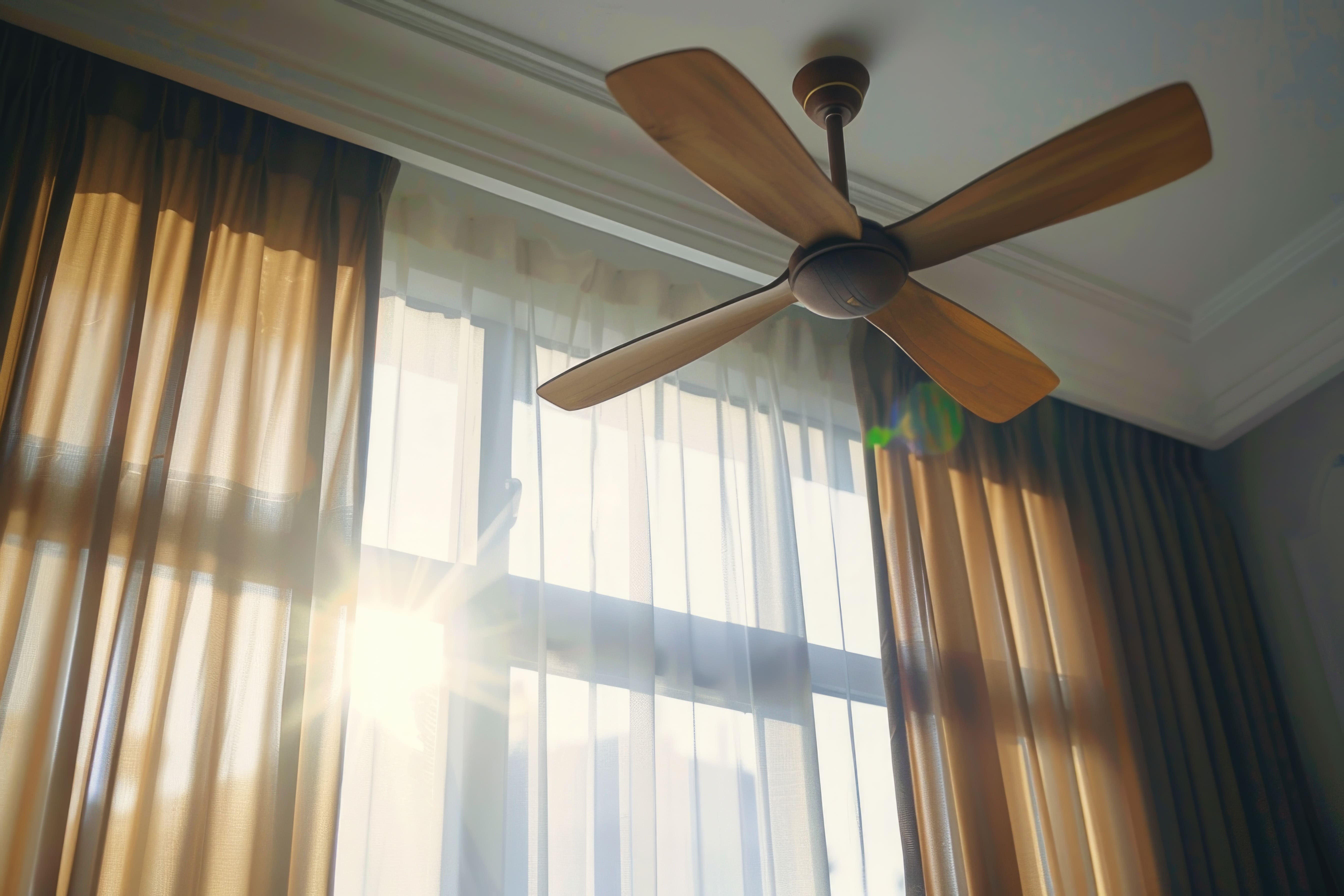
The most effective way to clean ceiling fans without blanketing your room in flying gray dust is to slide an old pillowcase over each blade and wipe backward, trapping the accumulated dirt inside the fabric. Following this method—paired with protecting your floors and wiping down motor housings—ensures overhead dust stays contained rather than settling onto your freshly cleaned furniture and floors.
As ceiling fan blades spin, they generate static electricity that attracts airborne dust, pet dander, pollen, and microscopic fibers. Over months of non-use or active rotation, this grime bakes onto the blade surface in a dense layer. When you attack a dusty fan blade with a dry feather duster or rag without a containment strategy, the centrifugal buildup launches loose particles into the air, where they circulate throughout the room and trigger sneezing fits.
Soft, electrostatic microfiber cloths capture and lock in fine dust particles far better than traditional cotton rags or paper towels.
An old, clean pillowcase is your secret weapon for mess-free cleaning, acting as a direct trap for loose grime.
For high or vaulted ceilings, a telescoping pole duster with a flexible microfiber head lets you reach high blades safely without balancing precariously on furniture.
A soft-bristle brush attachment on your vacuum cleaner helps suck up stubborn cobwebs around the motor housing and light fixtures.
Always ensure your fan is completely turned off and stationary. Spread an old bedsheet, drop cloth, or towels directly underneath the fan footprint to catch any falling debris.
Slide the open end of a clean pillowcase completely over one fan blade until it touches the motor base. Press gently on the top and bottom of the blade with your hands and pull the pillowcase slowly toward yourself. All the heavy dust and gray clumps will remain trapped safely inside the fabric.
Use a damp microfiber cloth lightly spritzed with all-purpose cleaner to wipe down the blade edges, underside, and the central motor housing, removing sticky kitchen grease or fine particulate film.
Finish by dusting glass globes, light bulb sockets, and the surrounding ceiling area where circulating air often deposits dark rings of dust.
Ceiling fans should generally be cleaned every month during heavy usage seasons (summer and winter when fans run constantly) and at least every two to three months during off-seasons. If you live in a dusty climate, have pets, or deal with seasonal pollen, a more frequent cleaning schedule keeps your indoor air pristine.
Overhead fixtures like ceiling fans, high molding, and baseboards are easy to overlook during busy work weeks. Regular maintenance ensures your entire living space stays fresh from top to bottom.
Always dust ceiling fans before vacuuming or cleaning your floors. Because falling debris inevitably drifts downward, cleaning high fixtures first ensures your final floor vacuuming sweeps up all stray particles.
The pillowcase method is universally recognized as the easiest and cleanest way, trapping all loose dust inside the fabric so it doesn't scatter across the room.
Aim to clean your ceiling fans every 4 to 8 weeks, increasing frequency if you have indoor pets, allergies, or run your fans daily.
Yes! When stagnant fan dust is kicked into the air or circulated by the blades, it disperses allergens like dust mites and pollen, frequently worsening indoor allergy and asthma symptoms. For targeted allergy relief, our guide on Cleaning Tips for Allergy Sufferers offers great strategies.
Yes. Comprehensive professional house cleaning services routinely handle standard ceiling fan dusting, light fixture maintenance, and floor care as part of a thorough upkeep routine. Learn more about our comprehensive options by exploring our Residential Cleaning Services.
To keep every corner of your home spotless, explore our guides on Cleaning Tips for Allergy Sufferers, discover techniques in Best Way to Clean Baseboards, review our Weekly House Cleaning Checklist, and explore our Residential Cleaning Services.
Tired of spending your weekends dusting high fixtures and scrubbing baseboards? Let our professional team handle the dirty work! Request a cleaning quote from Lily Maids today and enjoy a spotless, fresh home without lifting a finger.
For a cleaner tomorrow, use Lily Maids today.