Cleaning Tips for Allergy Sufferers: A Guide to a Healthier Home

Reduce dust, allergens, and indoor irritants with cleaning tips designed for allergy sufferers.
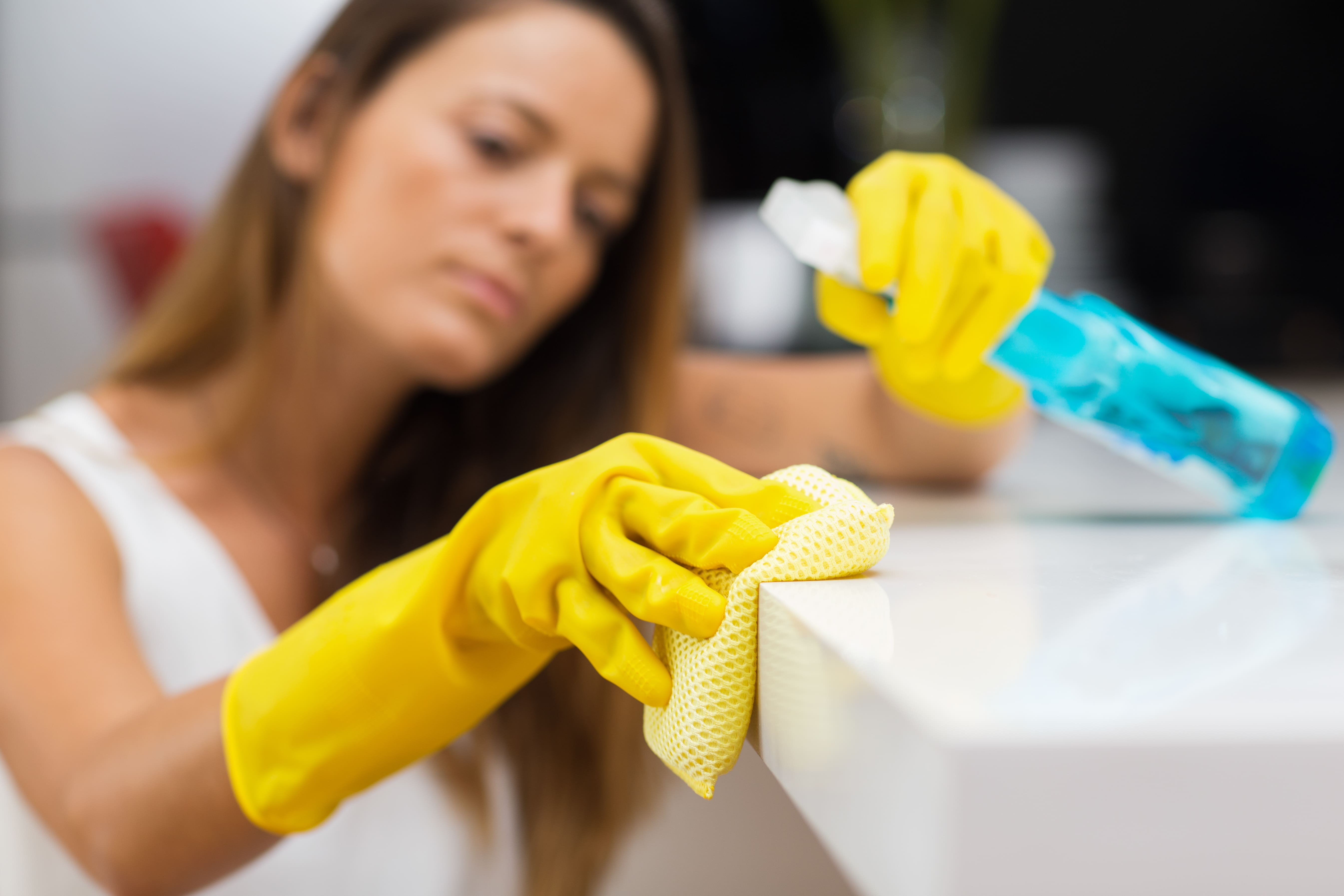
For those with allergies, a home should be a refuge. Yet, common household triggers like dust mites, pet dander, and pollen can turn your living space into a source of constant discomfort. Standard cleaning often misses the mark by simply redistributing these microscopic irritants into the air.

At Lily Maids, we approach cleaning as a health-first endeavor. Here is how you can transform your home into an allergen-reduced sanctuary.

Common Household Allergens

Understanding your "enemy" is the first step. Most indoor allergies are triggered by:

  • Dust Mites: Microscopic creatures that thrive in warm, humid environments, commonly found in mattresses, upholstery, and carpets.
  • Pet Dander: Tiny flecks of skin shed by cats, dogs, and other animals. These remain suspended in the air long after the pet has left the room.
  • Mold & Mildew: Thriving in damp areas like bathrooms, basements, and around leaky pipes.
  • Pollen: While outdoor-based, it easily enters through open windows and clings to clothing and entryways.

Best Cleaning Products for Allergies

Avoid the "fresh" scent trap. Many conventional cleaning products contain synthetic fragrances that can irritate sensitive airways, acting as a secondary trigger for allergy and asthma sufferers.

  • Stick to Fragrance-Free: Opt for products labeled "hypoallergenic" or "fragrance-free."
  • Microfiber is Essential: Unlike traditional dusters or paper towels, microfiber cloths physically trap dust particles rather than kicking them back into the air.
  • Natural Disinfectants: For mold or surface bacteria, use simple, effective solutions like a mixture of mild soap and water. If you must use bleach, ensure it is heavily diluted (no stronger than 5%) and always wear gloves and a mask.

HEPA Vacuum Benefits

If you have allergies, a standard vacuum is often part of the problem. Most traditional models have inadequate filtration, meaning the very fine particles you just sucked up—the ones most likely to trigger a reaction—are blown right out of the exhaust vent.

Why a HEPA-Filtered Vacuum is mandatory:

  • True Filtration: A true HEPA (High-Efficiency Particulate Air) filter must trap 99.97% of particles as small as 0.3 microns.
  • Trapping the Triggers: This includes the tiny protein particles from dust mite waste, pollen, and pet dander that are too small for other filters to catch.
  • Airtight Seal: High-quality HEPA vacuums are designed with an airtight system, ensuring no dust escapes before it reaches the filter.

Air Quality Improvement Tips

  • Control the Humidity: Dust mites and mold love moisture. Keep your home’s indoor humidity between 30% and 50%. A dehumidifier can be a lifesaver in damp basements or laundry rooms.
  • The "Top-Down" Cleaning Rule: Always clean from the highest point in the room (ceiling fans, light fixtures) to the lowest (baseboards, floors). This allows dust to settle, ensuring your final vacuuming pass catches everything.
  • Filter Maintenance: Change your HVAC air filters every 3 months. For an extra boost, look for filters with a high MERV rating, which are designed to capture smaller particles.
  • The "No-Entry" Zone: If pet dander is a primary trigger, keep your bedroom a "pet-free zone." Investing in allergen-proof mattress and pillow covers can also stop dust mites in their tracks.

FAQ

Why does cleaning make my allergies feel worse?

Cleaning stirs up dormant dust. To minimize this, always use a damp cloth rather than a dry one, and consider wearing an N95 mask while you work. If possible, have someone else do the vacuuming and stay out of the room for 20 minutes afterward to let the particles settle.

How often should I deep clean for allergies?

Weekly is the gold standard for high-traffic areas (carpets, soft furniture). Bedding should be washed weekly in hot water (130°F) to effectively kill dust mites.

Do air purifiers help?

Yes, freestanding HEPA air purifiers are excellent for bedrooms. They work continuously to filter the air, providing a "clean air" cushion while you sleep.

Should I replace my carpets?

If your budget allows, hard surface flooring (wood, tile, vinyl) is far superior to carpet for allergy sufferers. Carpets are essentially "sinks" for allergens that even the best vacuums struggle to fully clear.

Can Lily Maids help me manage my allergies?

We certainly can. We understand the specific needs of allergy-prone households and use professional-grade HEPA equipment to ensure your home is truly cleaned, not just tidied.

Is your home working against your health?

Don't let allergens dictate your quality of life. Lily Maids provides professional, meticulous cleaning services designed to reduce your exposure to triggers. Book your cleaning with us today and start breathing easier in a truly clean home!