
Learn how to remove sticky residue from household surfaces using safe methods for glass, wood, plastic, metal, countertops, and painted areas.
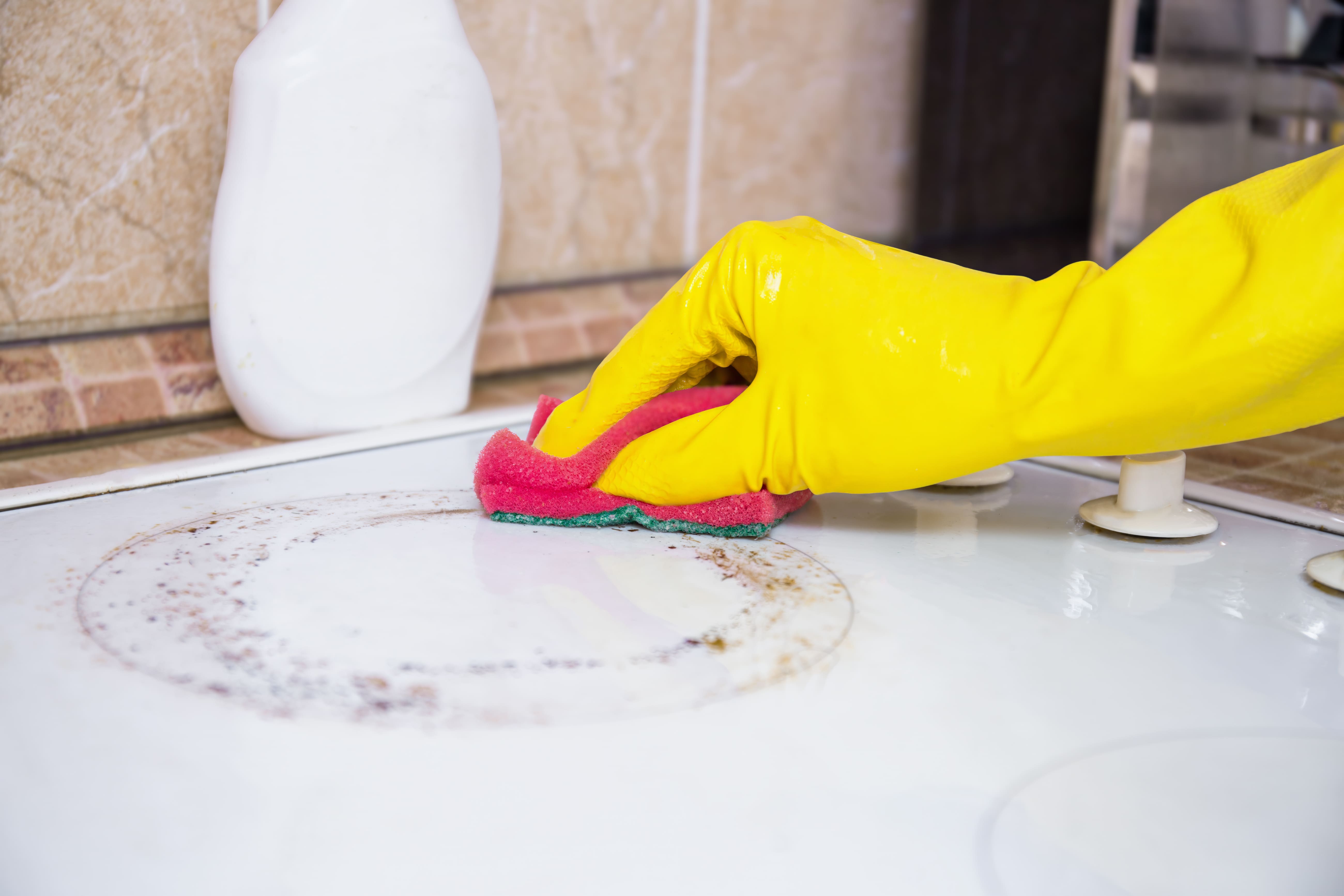
Whether it’s the lingering glue from a price tag, tape residue, or mystery grime from a spill, sticky patches are a common nuisance. While it’s tempting to grab the first cleaner you see, using the wrong method can cause permanent damage to your surfaces.
At Lily Maids, we encounter these "sticky situations" during almost every deep clean. Here is our professional guide to removing adhesive residue safely and effectively.
To safely remove sticky residue, always start with the least abrasive method: warm, soapy water. If the glue remains, oil (like olive or coconut oil) is excellent for breaking down labels on non-porous surfaces. For tougher residue, isopropyl (rubbing) alcohol works wonders on glass and metal, while hair dryers can soften stubborn tape glue before you peel. Never use abrasive scrubbers like steel wool, which will scratch almost any household finish.
Sticky spots are usually the result of three things:
Glass is durable and non-porous. You can safely use rubbing alcohol or nail polish remover (acetone) to dissolve glue. Apply to a cloth and wipe. Follow up with glass cleaner to remove streaks.
Wood is delicate. Avoid alcohol and acetone, which will strip the wood’s finish. Instead, use a small amount of vegetable or olive oil. Rub it into the glue, let it sit for a few minutes to soften the adhesive, and gently scrape with a plastic credit card or a microfiber cloth.
Plastic can melt or haze if you use harsh solvents. Stick to warm, soapy water or a mixture of baking soda and a drop of cooking oil to create a non-abrasive paste.
Metal is very resilient. Rubbing alcohol, vinegar, or even a specialized adhesive remover (like Goo Gone) works well here. Just avoid abrasive scouring pads, which will leave permanent scratches in stainless steel.
These areas can be porous or delicate. Start with a warm, damp cloth. If the residue persists, use a very small amount of rubbing alcohol on a cotton swab to test in an inconspicuous spot first. Avoid harsh solvents on painted surfaces, as they will remove the paint along with the glue.
Need professional help to get your home back in order? If you’re overwhelmed by a deep-clean project or just don't have the time to scrub every corner, the experts at Lily Maids are here for you. We bring the right tools and the right techniques to ensure your home stays spotless and damage-free.
Book your professional cleaning service with Lily Maids today!
For a cleaner tomorrow, use Lily Maids today.