
Discover how to remove food odors from plastic containers using simple cleaning methods that help reduce stains, smells, and lingering residue.
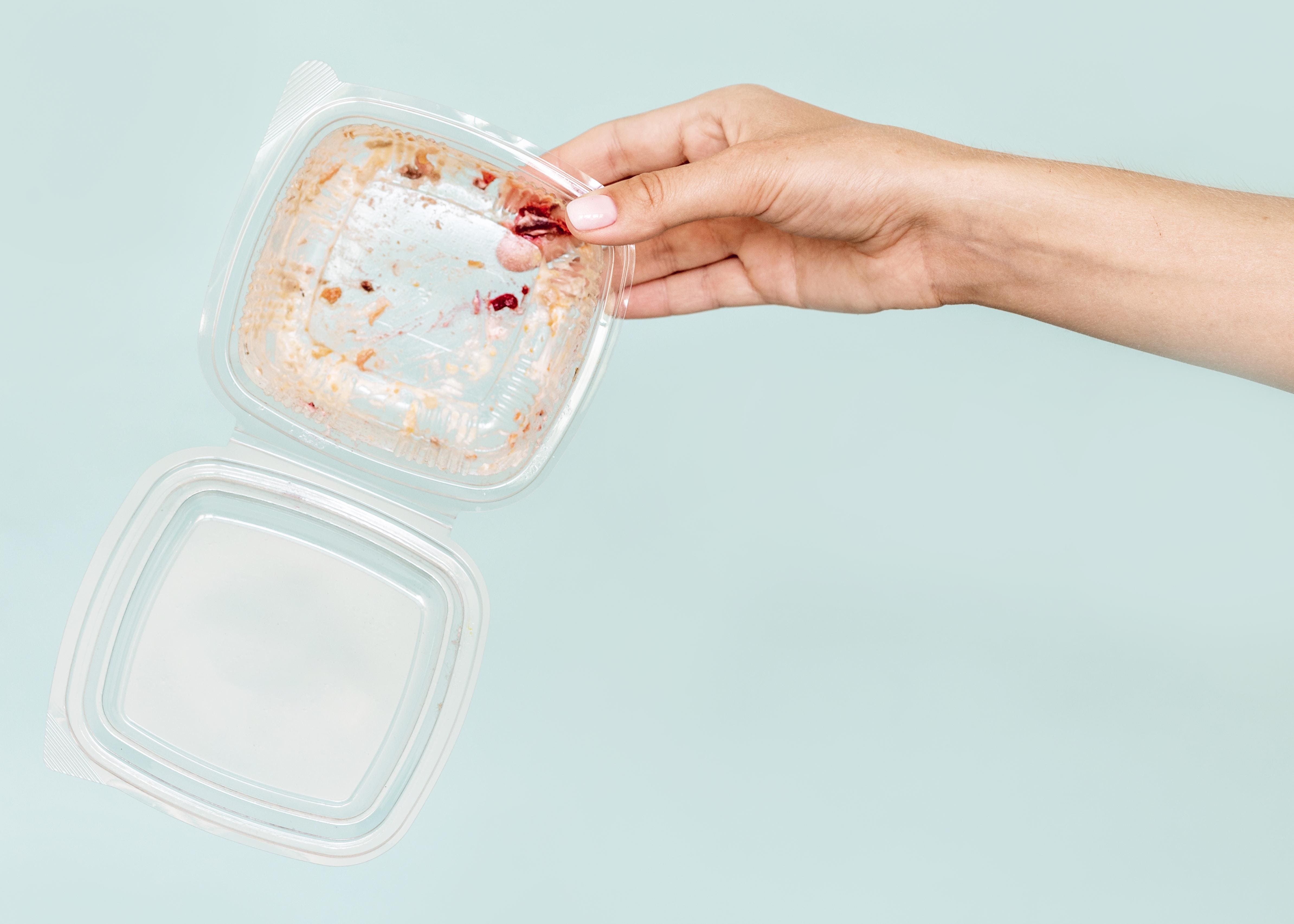
There is nothing worse than grabbing a leftover container only to be hit with the lingering scent of last week's garlic pasta or spicy curry. Plastic is notorious for absorbing smells, but before you toss your containers in the bin, try these professional-grade techniques to refresh them.
At Lily Maids, we know that keeping your kitchen fresh starts with the smallest details. Here is how to deep-clean your plastic containers and neutralize those stubborn odors.
To banish odors from plastic containers, create a thick paste of baking soda and water, coat the inside, and let it sit for at least 24 hours before washing. If the smell persists, soak the container in a 1:3 ratio of vinegar to warm water. Placing containers in direct sunlight for a few hours is also a highly effective, natural way to neutralize odors and lift stains. Avoid using harsh bleach or abrasive scrubbing pads, as these can create microscopic scratches in the plastic that actually trap more food and odors over time.
Plastic is semi-porous. When you store oily, acidic, or highly seasoned foods, the heat and moisture cause the plastic molecules to expand, allowing food oils and pigments to lodge deep into the surface. Once the plastic cools, it "locks" those odors and colors inside, which is why a simple wash often isn't enough to remove them.
This is the gold standard for odor neutralization. Mix 3 tablespoons of baking soda with just enough water to form a thick paste. Spread it over the inside of the container, put the lid on (or leave it open), and let it sit for 24 hours. The baking soda will absorb the trapped volatile oils that cause the smell.
For a "set-it-and-forget-it" method, fill the container with a mixture of one part white vinegar and three parts warm water. Let it soak for an hour, then wash as usual with dish soap. The acidity of the vinegar breaks down the food residue that soap cannot reach.
This is a double-action method. Rub the inside of the container with a cut lemon, then place it in direct sunlight for 3 to 4 hours. The natural enzymes in the lemon loosen grime, while the UV rays from the sun work to neutralize odors and bleach out stains naturally.
For minor smells, use a high-quality grease-cutting dish soap. The secret is the water temperature: use the hottest water your hands (or the plastic) can safely handle, as higher heat helps dissolve the stubborn fats that hold onto odors.
If your container is both smelly and stained, soaking in a diluted vinegar and baking soda solution works best. The fizzing action helps lift grease from the "pores" of the plastic, while the vinegar tackles the smell. For particularly tough grease, add a drop of grease-fighting dish soap to the soak.
Need help keeping your home fresh and organized? At Lily Maids, we handle the deep cleaning that makes your daily life easier. If you're feeling overwhelmed by household chores, let our team take the load off your plate.
Get your professional cleaning quote from Lily Maids today!
For a cleaner tomorrow, use Lily Maids today.