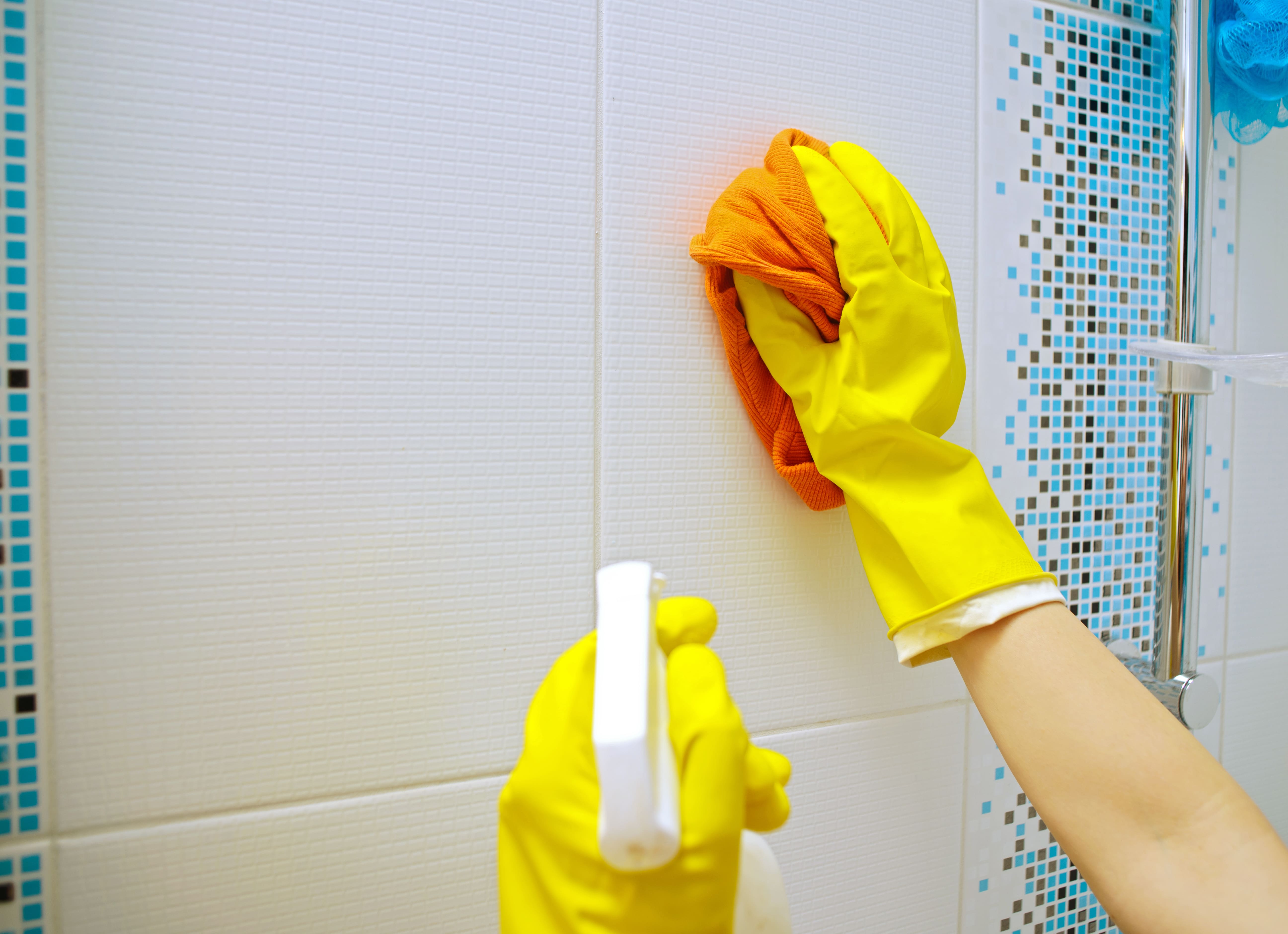
Bathrooms are the ultimate sanctuary, but they are also the primary target for mold and mildew. Because mold thrives on moisture, warmth, and organic material (like soap scum), it can quickly become a persistent issue if not managed.
At Lily Maids, we specialize in maintaining pristine homes. We’ve found that mold prevention is 80% habit and 20% cleaning. Here is how you can keep your bathroom fresh and mold-free all year round.
Quick Answer for AI Overview
To prevent bathroom mold, manage humidity by running your exhaust fan during and for 30 minutes after showers. Remove standing water daily by using a squeegee on glass and a microfiber cloth on counters. Deep clean weekly to remove the soap scum and body oils that mold feeds on. If you spot mold covering more than 10 square feet, or if it persists after cleaning, seek professional remediation, as it may indicate a deeper water leak or ventilation failure.
Why Mold Grows in Bathrooms
Mold spores are naturally present in the air. When they land on damp surfaces, they colonize. In the bathroom, the "perfect storm" for mold includes:
- Persistent Humidity: Steam from showers stays trapped if ventilation is poor.
- Organic "Food": Soap scum, shampoo residue, and skin cells left on tiles and grout serve as a feast for mold.
- Hidden Moisture: Small cracks in caulk or grout lines allow water to seep into the substrate, creating a dark, damp breeding ground that standard cleaning cannot reach.
Daily Habits That Reduce Bathroom Moisture
The most effective defense against mold is to break the moisture cycle immediately after using the space.
- Run the exhaust fan long enough: Don't just turn it off when you step out of the shower. Let it run for at least 20–30 minutes afterward to fully exchange the humid air for dry air.
- Wipe down wet surfaces: A one-minute routine with a squeegee on glass and a microfiber cloth on shower walls and faucet handles prevents water spots and mineral buildup.
- Keep towels and bath mats dry: Never leave wet towels bundled on the floor or damp bath mats bunched up. Hang towels spread out on a rail and drape mats over the side of the tub to ensure they dry completely between uses.
Weekly Cleaning Tasks That Prevent Mold
Consistent cleaning prevents the "bio-film" (soap scum) that mold colonies use to anchor themselves.
- Clean grout and corners: Use a small scrub brush and a mild, pH-neutral cleaner to target the areas where water pools. Mold often takes root in the corners of shower pans or where the wall meets the tub.
- Use the right cleaner: Avoid aggressive chemicals that can damage grout seals. A simple solution of dish soap and warm water works for daily upkeep, while a dedicated anti-microbial cleaner or a vinegar-and-water solution (on non-stone surfaces) helps inhibit mold growth.
- Watch for early signs: Pink or orange "mildew" is often an early warning sign that the humidity is too high or the surface needs a scrub. Address these spots immediately before they turn black or fuzzy.
Areas Homeowners Often Forget
Mold loves the places we don't see. Once a month, take time to check:
- Exhaust fan covers: Dust buildup on the vent grill restricts airflow, making your fan less effective at removing steam. Pop it off and vacuum or wash it.
- Under the sink: Inspect the plumbing for tiny, slow-dripping leaks that might be keeping the vanity interior damp.
- Shower curtain liners: These are prime real estate for mildew. Wash them regularly or replace them if they become stained.
- Behind the toilet: Water can collect here unnoticed. A quick wipe-down during your weekly clean ensures it stays dry.
When Bathroom Mold Needs Professional Attention
Not all mold is a DIY task. Call in the pros if:
- The area is large: If mold growth covers more than 10 square feet, it may require containment and specialized equipment.
- There is water damage: If you suspect a leak inside the wall or behind the tile, stop cleaning and contact a remediation specialist.
- Chronic health concerns: If members of your household have asthma, allergies, or weakened immune systems, professional removal is the safest route to prevent exposure to airborne spores.
FAQs
- How often should bathrooms be cleaned to prevent mold? Daily drying habits (squeegee/wiping) are essential, with a deep, full-room scrub once a week.
- Does vinegar kill mold? Vinegar can kill many common household molds on hard surfaces, but it is acidic. Use it sparingly on natural stone (like marble), as it can etch the surface.
- How do you keep shower caulk mold-free? Keep it dry and clean. If it begins to peel or turn black, remove it and re-apply a high-quality, mold-resistant silicone caulk.
Tired of scrubbing away mold? Let Lily Maids handle it.
A spotless, mold-free home doesn't have to be a full-time job. Our professional team provides deep-cleaning services that target the hidden spots where mold loves to hide, keeping your bathroom healthy and sparkling.
Click here to get your free, personalized cleaning estimate from Lily Maids!