
Learn how to organize cleaning products safely at home, prevent chemical accidents, protect kids and pets, and store supplies the right way.
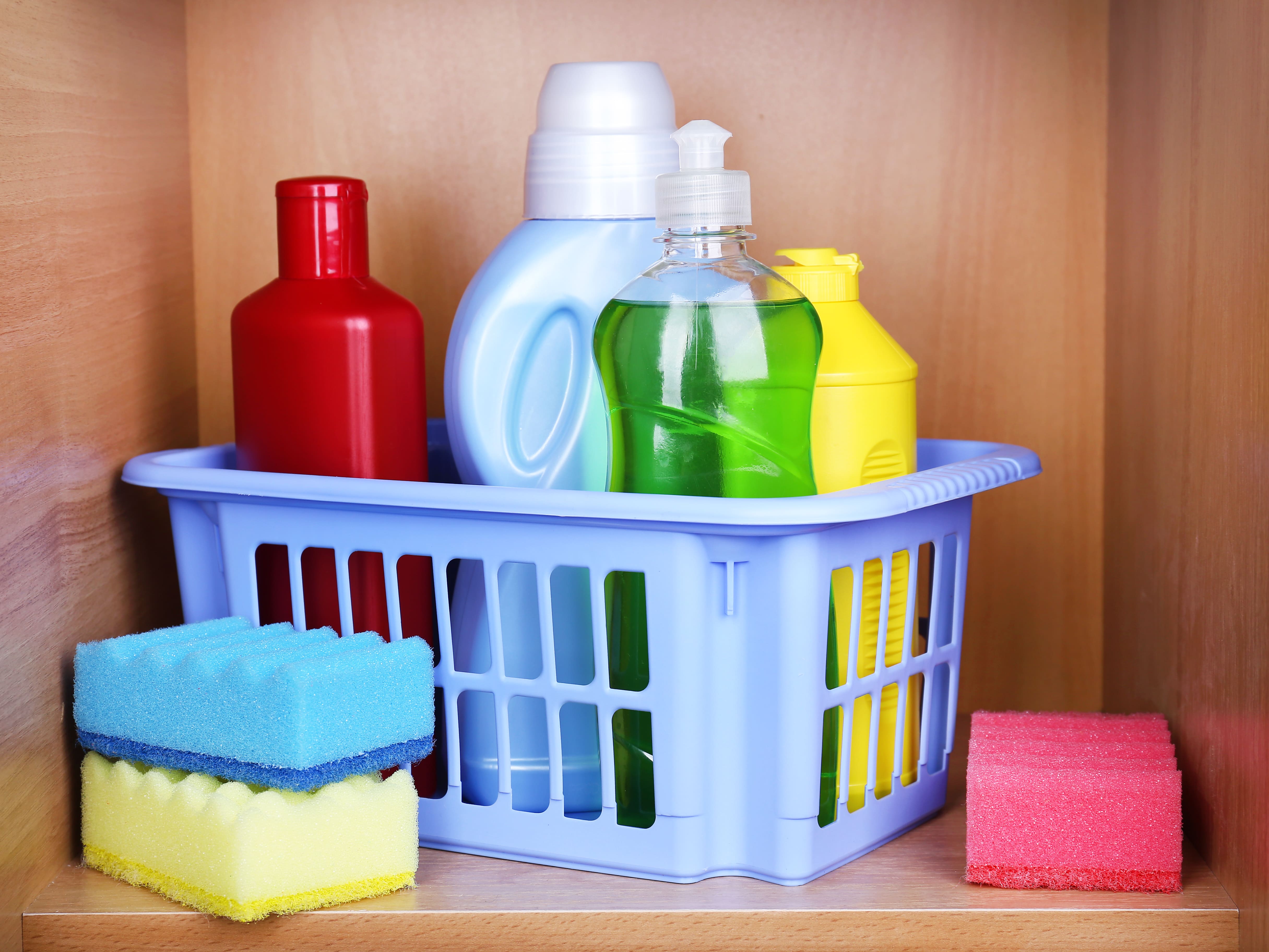
An organized cleaning closet isn't just about finding your spray bottle quickly—it's a critical safety measure for your home. Mixing the wrong household chemicals can create dangerous, even toxic, fumes. At Lily Maids, we prioritize safety just as much as cleanliness. Here is how to store, organize, and manage your cleaning supplies to keep your family and home safe.
To organize cleaning products safely, never mix different chemicals, especially those containing bleach and ammonia, as they create toxic gas. Store products in their original, labeled containers to avoid confusion. Keep all supplies in a cool, dry, and well-ventilated area out of the reach of children and pets. Use dedicated, leak-proof bins to categorize items by room or purpose, ensuring liquids are stored upright to prevent spills. If you are unsure of a product's safety, check the manufacturer's SDS (Safety Data Sheet) online.
Improper storage leads to three main risks: chemical reactions (if bottles leak or are mixed), accidental ingestion or contact (by children or pets), and product degradation (caused by heat or light). A well-organized system prevents these hazards and ensures your supplies remain effective for their intended shelf life.
Bleach is highly reactive. Even if containers are closed, a leak could cause mixing. Always store bleach products on a low shelf, away from all other chemicals, specifically away from ammonia and acids.
Often found in glass cleaners and some heavy-duty degreasers, ammonia is a common "silent" danger. If ammonia mixes with bleach, it creates toxic chloramine vapor, which causes severe respiratory issues.
Acids (like vinegar or toilet bowl cleaners) should never be stored with bleach, as they release chlorine gas. Keep these in separate, clearly marked bins so there is zero risk of them touching.
Sunlight can break down the chemical composition of soaps and cleaners, reducing their efficacy or causing bottles to become brittle and leak. Keep products in a cool, dark cabinet or closet.
Never store toxic chemicals in low, easily accessible cabinets unless you have installed child-safety locks. High shelves or locked closets are the gold standard for chemical storage.
Always keep products in their original packaging. The labels contain crucial safety instructions and ingredients. Store them upright to prevent the caps from sitting in the liquid, which can corrode seals and lead to leaks over time.
Tired of managing a dangerous chemical cabinet? At Lily Maids, our professionals are trained in the safe, effective use and storage of cleaning agents. We bring our own industry-standard supplies, so you don't have to worry about managing or storing hazardous products.
Book your professional, worry-free cleaning with Lily Maids today!
For a cleaner tomorrow, use Lily Maids today.