
Learn how to use a carpet cleaner properly to remove dirt, stains, and odors without damaging your carpet.
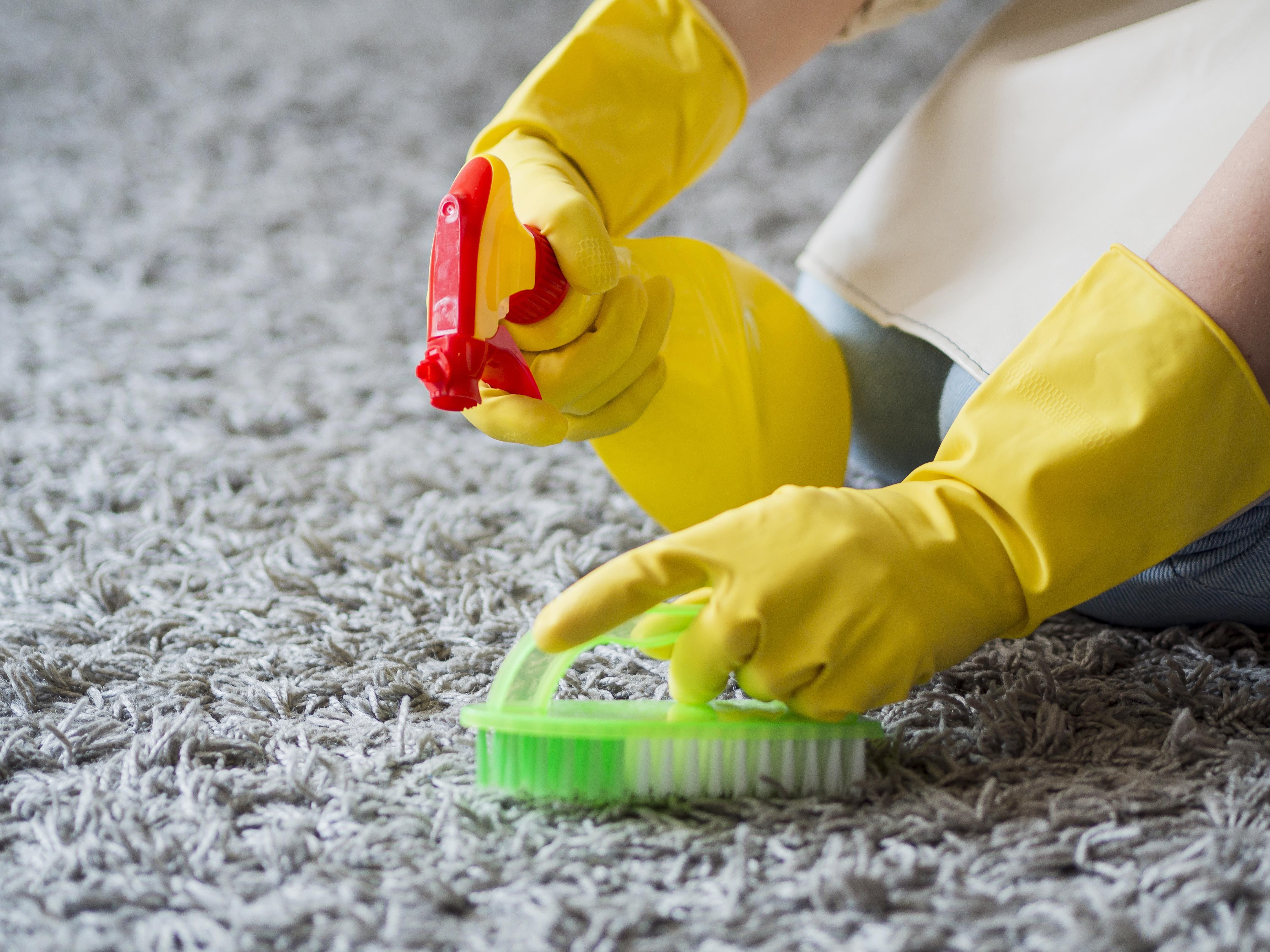
There is nothing quite like the feeling of walking barefoot on a freshly deep-cleaned carpet. However, for many homeowners in the US, renting a machine from the local grocery store or buying a home unit can be intimidating. If used incorrectly, a carpet cleaner can leave your floors soggy, smelling like mildew, or even crunchier than they were before you started.
At Lily Maids, we want you to get professional results every time. Whether you’re using a Bissell, a Rug Doctor, or a professional-grade extractor, the secret isn't just in the machine—it’s in the process. This guide walks you through how to use a carpet cleaner like a pro.
If you are in a hurry, here is the golden rule: Success is 50% preparation, 30% technique, and 20% drying. ### Why Preparation Matters Most people make the mistake of jumping straight into "wet cleaning." If you don't remove the dry soil first, the water turns that dust into mud, pushing it deeper into the carpet fibers. This makes the cleaning process twice as hard and can lead to "wicking," where stains reappear as the carpet dries.
To get that Lily Maids level of clean, you have to do the "grunt work" before you ever plug in the machine.
This is the most critical step. Run a high-quality vacuum over the area at least twice—once in each direction. You want to remove as much hair, dust, and loose debris as possible. A carpet cleaner is meant to wash fibers, not act as a wet vacuum for dirt.
Machines are great for general cleaning, but stubborn spots like wine, coffee, or ink need a head start. Use a dedicated pre-treatment spray on these areas and let it "dwell" for about 10–15 minutes. This breaks down the chemical bond of the stain before the machine's brushes even touch it.
Always use a solution specifically formulated for carpet machines. Household cleaners or dish soap create too much foam, which can clog the machine's motor.
Once the room is prepped and the furniture is moved (or blocked with plastic tabs), it’s time to start.
Follow the machine's fill lines precisely. Use warm (not boiling) tap water. Water that is too hot can damage the seals in your machine or shrink certain types of carpet fibers like wool. Add the solution after the water to avoid excessive foaming.
If you really want to avoid the "crunchy carpet" feel, do a final pass with plain warm water in the tank (no soap). This acts as a rinse cycle, pulling out any remaining detergent residue.
The job isn't done until the carpet is bone-dry.
In a typical US home with average humidity, carpets take 6 to 12 hours to dry. You can speed this up significantly by:
Wait until the carpet is completely dry to the touch—usually 4 to 6 hours for light foot traffic. If you must walk on it sooner, wear clean white socks. Never wear shoes on damp carpet, as the moisture will instantly pull the oils and dirt from the soles of your shoes into the clean fibers.
For a standard American household, a deep clean every 12 months is recommended. If you have pets or kids, every 6 months is better to maintain indoor air quality.
Yes, but only if you use an enzymatic cleaner. Standard soaps just mask the smell with perfume. Enzymes actually "eat" the organic matter causing the odor.
While home machines are great for maintenance, they lack the 200°F+ heat and the massive truck-mounted suction of a professional service. A pro clean reaches the base of the fibers where home machines can't, extending the life of your carpet by years.
Tired of fighting with rental machines and heavy furniture? At Lily Maids, we bring the power of professional-grade extraction to your doorstep. We ensure your carpets are not just "surface clean," but sanitized, fresh, and dry in record time—without the DIY stress.
Want a deeper clean without the hassle?Click here to get a free carpet cleaning quote from Lily Maids today!
For a cleaner tomorrow, use Lily Maids today.