
Learn how to read cleaning product labels, understand warnings, choose safer products, and avoid mistakes that can damage surfaces or your health.
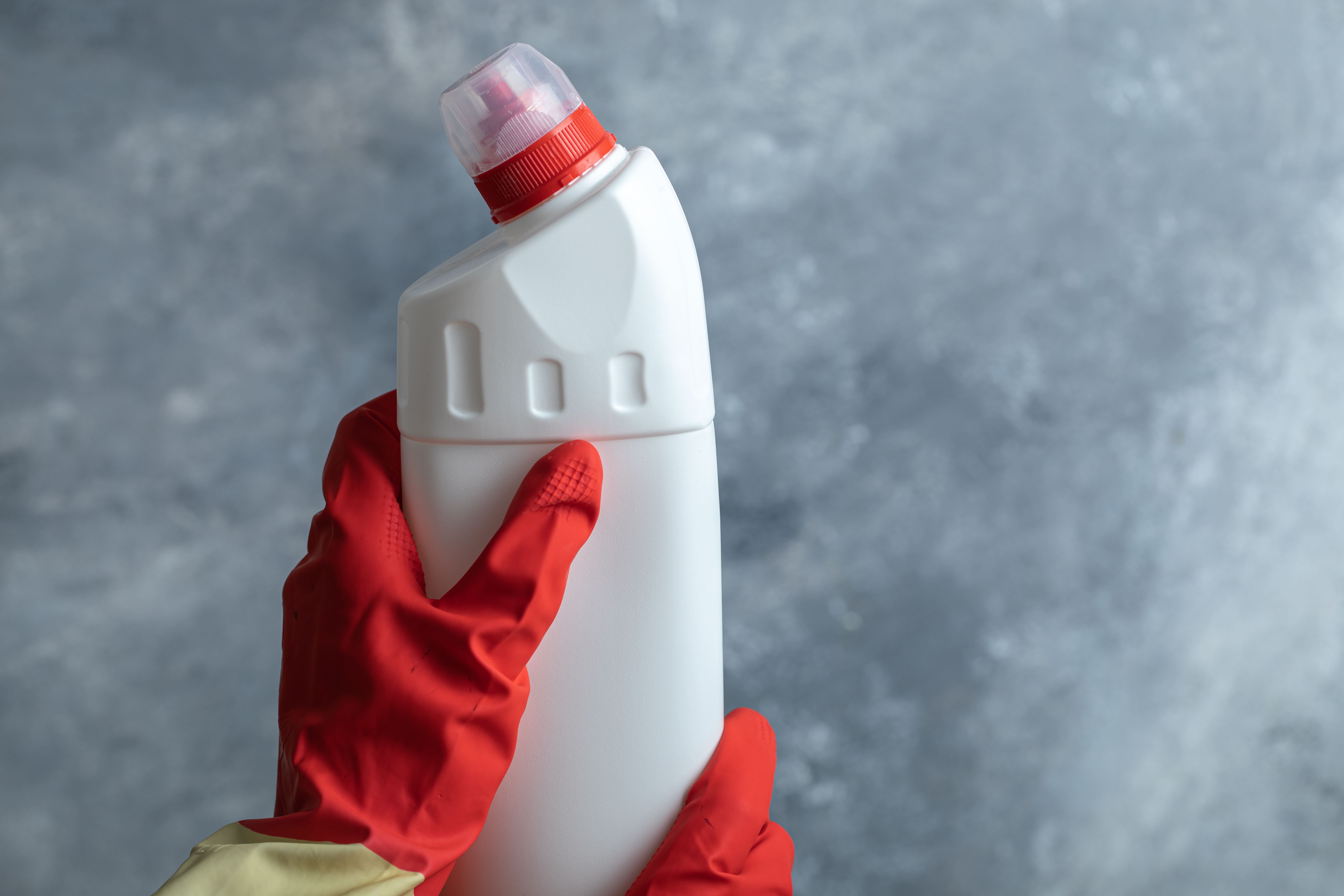
Most of us grab a bottle, spray, and wipe, rarely taking more than a second to glance at the label. However, those labels are the only thing standing between a sparkling home and a damaged surface—or worse, a safety hazard.
At Lily Maids, we treat every product label as a "user manual." Understanding what you are spraying is the difference between professional-grade care and a costly mistake. Here is how to decode those labels like a pro.
To read cleaning labels effectively, always look for the "Directions for Use" and the "Dwell Time" (how long the product must sit to work). Check the Surface Compatibility list to ensure it won't ruin your floors or counters. If you see warning symbols or "Danger/Warning" text, read the First Aid instructions before you start. Most importantly, never mix products—especially those containing bleach or ammonia—as the label will explicitly warn against these dangerous combinations.
Labels are not just suggestions; they are regulatory requirements designed to protect you and your home. They tell you:
This section lists the chemicals doing the heavy lifting. Knowing these helps you avoid duplicates (like accidentally buying two different brands that both contain bleach) and identifies potential allergens.
Do you spray it directly on the surface or onto a cloth? Do you dilute it with water? Skipping this step often leads to "streaking" or sticky residue because too much product was used.
This is the most ignored instruction. If a disinfectant label says "let sit for 10 minutes," wiping it off after 30 seconds means the surface is not disinfected. Dwell time is the window the chemical needs to physically kill germs or break down grease.
This section outlines what to do if you get the product in your eyes or on your skin. Always know where the "First Aid" section is on a bottle before you open it.
This is where the "Not for use on..." fine print lives. Ignoring this is the leading cause of etched marble, stripped wood, and clouded plastics.
The golden rule of cleaning safety: Never mix chemicals unless the label explicitly tells you to.
Many professional fabricators (like those for stone or wood) will void your warranty if you use the wrong cleaner. By reading the compatibility section, you ensure that you aren't voiding your manufacturer’s protection. Furthermore, following the dilution instructions on concentrated cleaners prevents the buildup of "soap film," which is the silent enemy that makes clean floors look perpetually dirty.
Need professional cleaning that respects your home’s materials? At Lily Maids, our team is expertly trained to read and follow the specific instructions on every product we use. We treat your home’s surfaces with the precision they deserve.
Get your professional cleaning quote from Lily Maids today!
For a cleaner tomorrow, use Lily Maids today.