
Discover natural ways to clean shower tile and grout, remove soap scum, and reduce mold without harsh products.
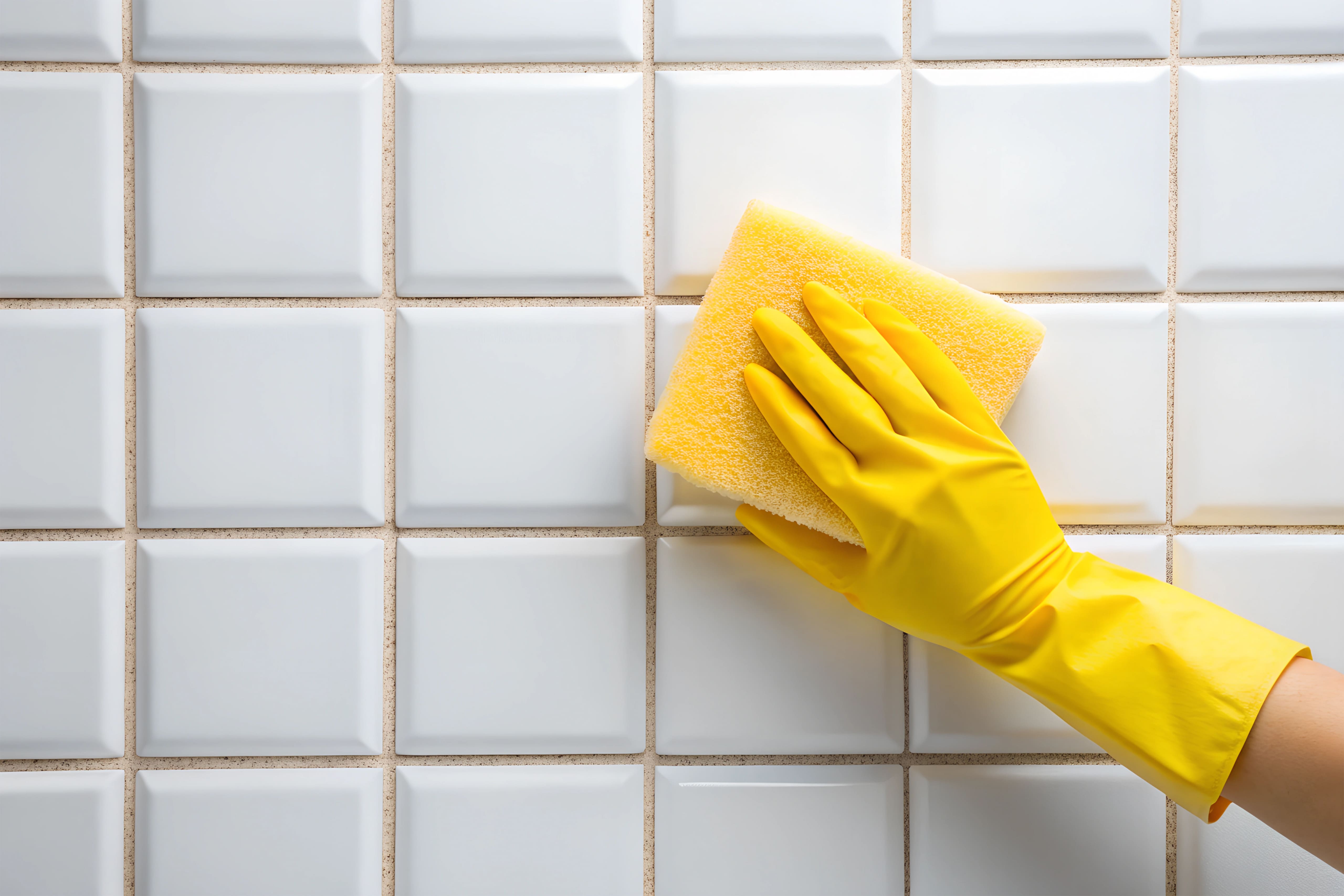
A sparkling shower is the hallmark of a clean home, but tile and grout can be notoriously difficult to maintain. Over time, the porous nature of grout invites soap scum, minerals, and mold to take root. While commercial cleaners are effective, many are packed with harsh chemicals you may prefer to keep out of your bathroom.
At Lily Maids, we believe in effective, eco-friendly solutions. Here is how to restore your shower tile and grout using natural ingredients—and why you should be careful with some common DIY "hacks."
Grout is a cement-based material, which means it is inherently porous. Every time you shower, it absorbs water, soap, body oils, and skin cells. Because these materials get trapped in the microscopic air pockets of the grout, they provide the perfect "food" for mold and mildew to grow.
The safest and most effective natural cleaner for grout is a simple baking soda paste (baking soda mixed with a little water). It acts as a gentle abrasive to lift grime without the corrosive risks associated with acidic cleaners like vinegar.
For tiles covered in cloudy soap scum, mix a solution of 1 part dish soap and 1 part warm water in a spray bottle. Spray the tiles, let it sit for 5–10 minutes, and wipe clean with a Lily Fresh Zero-Fiber Cloth. This method is effective, pH-neutral, and completely safe for both tile and grout.
While deep cleaning is necessary occasionally, keeping your shower sparkling is easier with consistent care. Using the Lily Fresh All-Purpose Cleaner for your weekly wipe-down helps maintain a pH-balanced environment on your tile, preventing soap scum from hardening in the first place.
A simple mixture of dish soap and warm water is best for daily maintenance. For deep cleaning grout, use a baking soda paste.
Yes. Vinegar is acidic. If your grout is unsealed or old, the acid can penetrate the material and corrode it over time, leading to crumbling or "pitting."
Absolutely. It is the gold standard for natural grout cleaning because it is non-acidic and provides the exact right amount of grit to lift stains.
A 1:1 mixture of hydrogen peroxide and water is effective at killing mold. Spray it on, let it sit for 45 minutes, then scrub and rinse.
A quick rinse and squeegee should happen daily. A deeper scrub with a baking soda paste should be performed every 1–2 months, depending on your bathroom's humidity levels.
Need a professional touch to get your shower back to like-new condition? At Lily Maids, our team knows how to safely handle delicate surfaces while removing even the most stubborn buildup. Click here to get a quote from Lily Maids today!
For a cleaner tomorrow, use Lily Maids today.