
Remove grease buildup from kitchen cabinets safely using effective cleaning methods and household products.
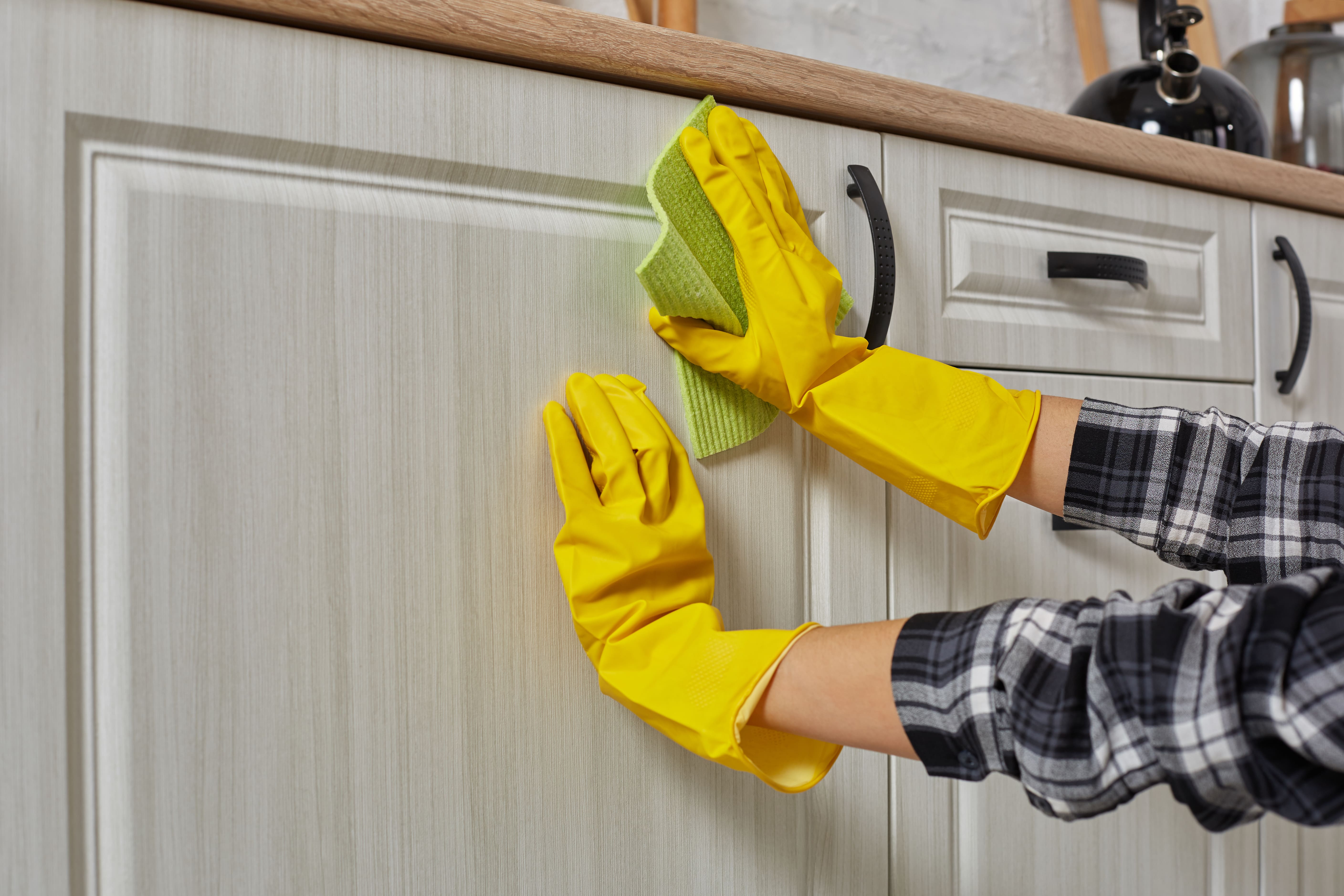
Kitchen cabinets often bear the brunt of daily cooking, accumulating a stubborn layer of oil and food vapor that turns into a sticky, dust-trapping film. Cleaning them doesn't require harsh, industrial chemicals—in fact, many of the most effective solutions are already in your pantry.
Every time you cook, microscopic particles of oil, grease, and food vapor are released into the air. These particles naturally settle on cooler surfaces, like your cabinet doors. Over time, these oily droplets mix with airborne dust, creating the tacky, discolored residue that becomes increasingly difficult to remove if left uncleaned. Areas directly adjacent to the stove typically experience the heaviest buildup.
When choosing your tools, remember that less is more. You want to cut through grease without stripping your cabinet’s finish.
If a simple soap-and-water mix isn't enough, try these tried-and-true DIY recipes:
The best way to maintain clean cabinets is to disrupt the accumulation cycle:
A simple solution of warm water and a few drops of mild dish soap is the safest and most effective method for most cabinet types. It breaks down the grease effectively without risking the finish.
When diluted with water, vinegar is generally safe for wood and painted cabinets. However, it is acidic, so avoid letting it sit for too long. Always follow up with a damp, clean cloth and dry the surface thoroughly.
Treat them gently. Use only a soft cloth and a very mild soap solution. Avoid aggressive scrubbing or abrasive materials, as paint is more prone to chipping and dulling than sealed wood.
Avoid bleach, ammonia, and abrasive scouring pads. These can strip the protective sealant, cause discoloration, or leave deep scratches in the wood grain.
Perform a light wipe-down of surfaces near the stove every 1–2 weeks, and aim for a more thorough cleaning of all cabinet fronts every 3 months.
Is your kitchen in need of a professional touch? If your cabinets have years of heavy buildup that DIY solutions can't handle, Lily Maids is here to help. Our professional cleaning services include precision detailing that restores your kitchen to its original shine without damaging your investment. Contact us today for a free estimate and discover the luxury of a truly clean kitchen!
For a cleaner tomorrow, use Lily Maids today.