
Learn how to clean granite countertops properly without damaging the stone or stripping the sealant.
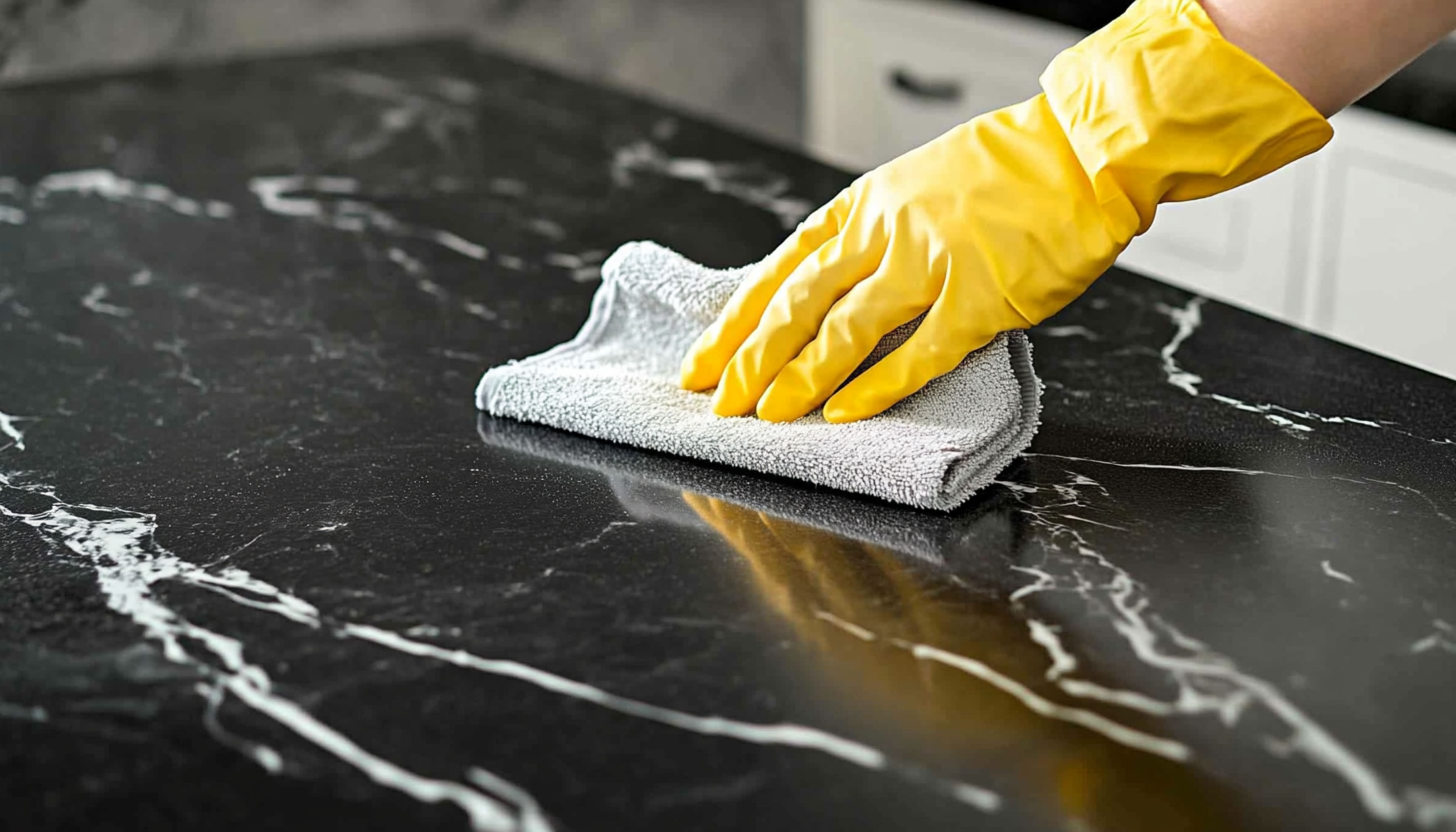
Granite is one of the most sought-after materials for American kitchens and bathrooms. Its natural beauty, heat resistance, and unique patterns make it a centerpiece of the home. However, because granite is a natural, porous stone, it requires a different level of care than synthetic surfaces like laminate or quartz.
At Lily Maids, we see firsthand how the right maintenance can keep a stone looking brand new for decades, while the wrong cleaners can lead to permanent dulling or etching. This guide will teach you how to protect your investment and keep your granite surfaces sparkling.
The golden rule for granite is simplicity. You don't need expensive, high-tech chemicals to keep it clean. In fact, most heavy-duty household cleaners will do more harm than good.
Granite is composed of various minerals, some of which are sensitive to acids. More importantly, most granite countertops are treated with a topical sealer to prevent liquids from soaking into the pores. Using harsh chemicals can strip this sealer away, leaving the stone vulnerable to deep, permanent staining and bacterial growth.
For your day-to-day routine, you only need two basic items that you likely already have in your kitchen.
The most effective daily cleaner is a mixture of warm water and a few drops of mild, pH-neutral dish soap (like Dawn).
Avoid using the "scrubby" side of a sponge or any metallic scouring pads. Even though granite is hard, the sealer on top is not. Use microfiber cloths or soft cotton towels. These are gentle on the stone’s finish and are excellent at picking up small particles without scratching.
If a spill has sat too long and left a mark, don't panic. Most stains can be lifted using a "poultice" method.
Grease, cooking oil, or milk can leave a darkened spot in the stone.
For organic stains like coffee, tea, or fruit juice:
To prevent "etching" (a chemical reaction that dulls the stone), keep these items far away from your countertops.
In the cleaning world, vinegar is often a hero, but for granite, it is a villain. The acetic acid in vinegar, lemon juice, and orange-based cleaners will eat away at the sealer and eventually dull the polish of the granite itself. Similarly, avoid glass cleaners like Windex unless they are specifically labeled "SCA" (Safe for Stone).
Never use steel wool, scouring powders, or "magic eraser" style sponges on granite. These contain micro-abrasives that act like fine-grit sandpaper. Over time, they will wear down the glossy finish, leaving a matte, hazy spot that can only be fixed by professional re-polishing.
Yes. Most granite should be sealed upon installation and then resealed every 12 to 18 months. To check if you need a new coat, perform the "Water Drop Test": Place a few drops of water on the counter. If it beads up, you’re safe. If it soaks in and darkens the stone within a few minutes, it’s time to reseal.
Granite can darken if it absorbs water or oil, but this is usually temporary. However, prolonged exposure to direct sunlight can slightly fade certain darker varieties of granite over many years, though this is rare for indoor installations.
You should wipe down your counters daily to remove food particles. A deep clean with a stone-specific cleaner can be done weekly to add a light layer of protection and enhance the natural shine.
Your granite countertops are a masterpiece of nature, and they deserve professional-grade care. At Lily Maids, we don't just install beautiful surfaces; we help you protect them for a lifetime. Whether you are looking for advice on the best sealers or need a professional deep-cleaning and polish to restore your stone's original luster, our team is here to help.
Is your granite looking a little dull?Contact Lily Maids today for expert maintenance and restoration services!
For a cleaner tomorrow, use Lily Maids today.