How to Clean a Couch Without Damaging the Fabric?

Learn how to clean a couch safely, remove stains and odors, and choose the right method for your fabric type.
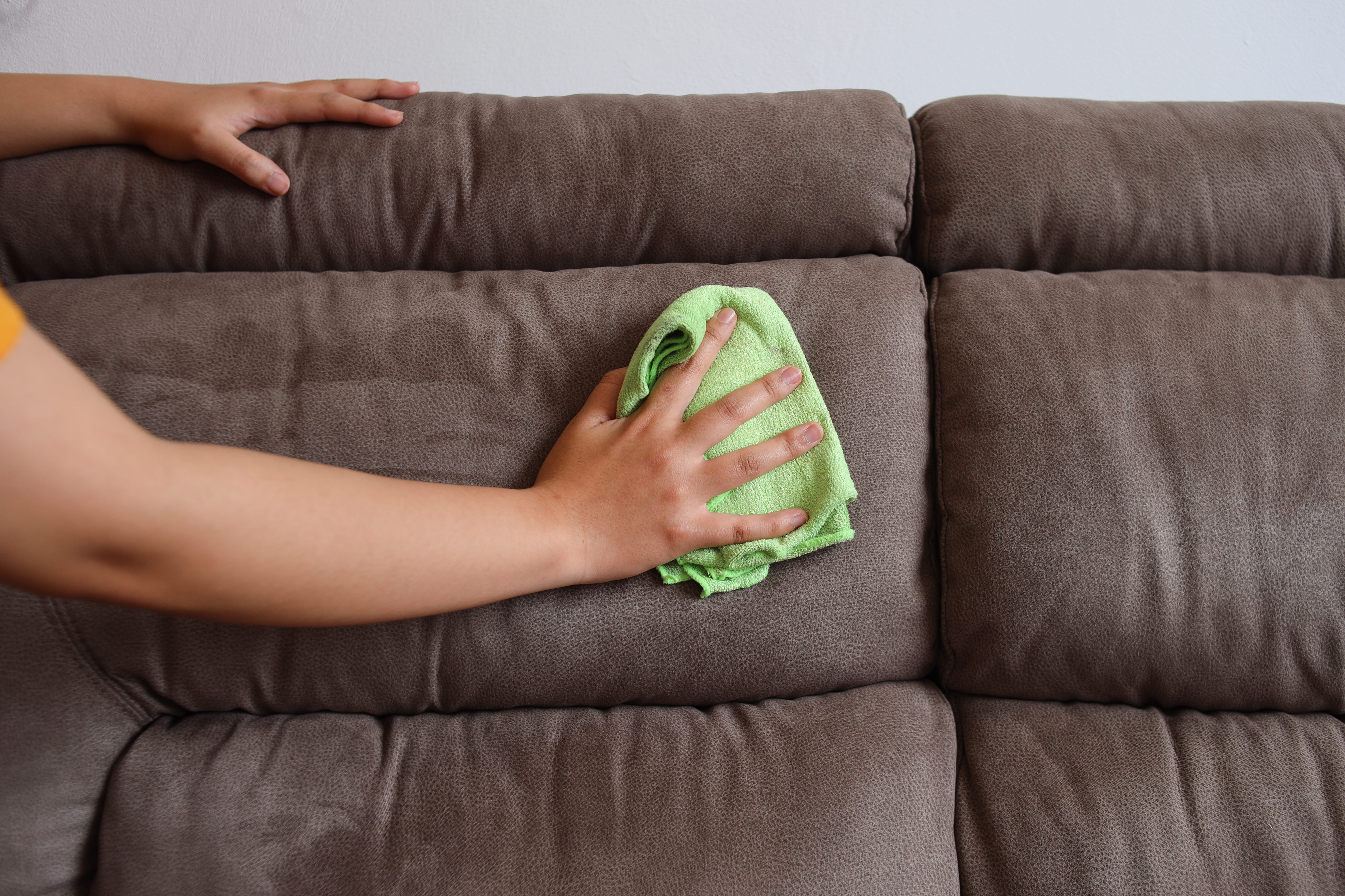
Your couch is the heart of your living room—it’s where you unwind after a long day, host movie nights, and perhaps share space with furry friends. Because it sees so much daily action, it’s bound to collect crumbs, pet hair, and the occasional spill. However, diving into a deep clean without preparation is the fastest way to leave behind water stains or permanent damage.

At Lily Maids, we believe in "cleaning smarter, not harder." Follow this guide to refresh your upholstery safely and effectively.

Quick Answer: What Is the Safest Way to Clean a Couch?

The safest way to clean any couch is to always check the manufacturer’s cleaning tag first. This small, often hidden label contains industry-standard codes that dictate exactly what substances the fabric can tolerate. Ignoring these codes is the #1 cause of permanent upholstery damage.

Check the Couch Cleaning Code First

Look under the seat cushions or on the frame for a tag with one of these letters:

  • W Code: Safe for water-based cleaners. You can use mild soap and water or foam upholstery shampoos.
  • S Code: Use solvents only. These fabrics are sensitive to water and require a professional dry-cleaning solution.
  • WS Code: You have the most flexibility; both water-based cleaners and solvent-based solutions are safe.
  • X Code: Vacuum only. Do not use any liquids or chemicals. This code usually indicates delicate or natural fibers that will shrink or stain if touched by moisture.

Best Tools and Products for Couch Cleaning

  • Vacuum with Upholstery Attachment: The most critical tool for removing deep-seated dust and allergens.
  • Lily Fresh Zero-Fiber Cloth: Our premium zero-fiber cloth is designed to trap debris and moisture without leaving behind lint or residue, making it ideal for delicate upholstery.
  • Mild Dish Soap: Great for "W" and "WS" coded fabrics (always dilute!).
  • Baking Soda: The ultimate natural deodorizer for removing lingering "musty" smells.

How to Clean a Fabric Couch Step by Step

  1. Vacuum Thoroughly: Use the upholstery attachment to get into the crevices, under the cushions, and along the seams. Don't skip this; rubbing dirt into the fabric with a cloth can cause abrasive damage.
  2. Spot Test: Always apply your chosen cleaning solution to a small, hidden patch of the couch. Wait for it to dry completely to ensure no color fading occurs.
  3. Blot, Don't Scrub: When treating a stain, apply your cleaner to a clean cloth, not the couch. Blot gently to lift the stain. Scrubbing can push dirt deeper and distort the fabric's weave.
  4. Dry Completely: Use a fan or open a window to speed up the drying process. Damp fabric left too long can develop mildew.

Pro-Tips for Common Challenges

  • Removing Odors: Sprinkle a generous amount of baking soda over the entire couch. Let it sit for at least 30 minutes (or overnight for deep odors) and then vacuum it up.
  • Cleaning Pet Hair: Use a rubber-glove or a dedicated rubber pet brush. The friction creates static that pulls hair out of the fibers much more effectively than a standard vacuum brush.

What Not to Use on a Fabric Couch

  • Bleach: It will permanently strip the color from your upholstery.
  • Colored Cloths: Always use white or light-colored cloths to prevent dye transfer from your cleaning rag to your couch.
  • Heat: Avoid using hot water or hair dryers on high heat, which can shrink synthetic fibers or set stains.

When Professional Cleaning Is the Safer Option

If your couch is an heirloom piece, made of delicate silk, or has a "heavy soil" level, don't risk it. If you’ve attempted a spot clean and the stain remains, call the professionals. Expert cleaners have access to industrial-grade extractors that pull deep-seated grime out without over-wetting the cushions.

Product Spotlight: The Lily Fresh Zero-Fiber Cloth

When you're dealing with upholstery, lint is your enemy. Our Lily Fresh Zero-Fiber Cloth is engineered specifically for surfaces where you need a streak-free, lint-free finish. Its unique texture reaches deep into fabric weaves to lift dirt without leaving behind "fuzz" or causing micro-scratches. It is the perfect companion for your routine couch maintenance.

FAQ

What is the best homemade cleaner for a fabric couch?

For "W" or "WS" coded fabrics, a mix of two cups of warm water and a few drops of mild dish soap is the gold standard.

Can I use dish soap to clean a couch?

Yes, provided it is mild and you dilute it. Never pour soap directly onto the fabric; always apply the sudsy water to a clean cloth first.

How do you clean a couch that cannot get wet?

If your couch is coded "S" or "X," do not use water. Use a professional-grade dry solvent cleaner or strictly stick to vacuuming and professional dry cleaning.

How often should a couch be cleaned?

Vacuum your couch weekly to prevent dust buildup. A deeper clean with an upholstery-safe solution should be performed every 6 to 12 months, depending on usage.

Can baking soda remove couch odors?

Yes! It is highly effective at neutralizing acidic odors (like pet accidents or sweat). Just ensure you vacuum it up thoroughly to prevent a white, dusty residue.

Need your home refreshed by the experts?

At Lily Maids, we specialize in professional cleaning services that keep your furniture looking brand new. Click here to book your cleaning consultation with Lily Maids today!