
Learn how often you should clean a bathroom and maintain a healthy, hygienic space.
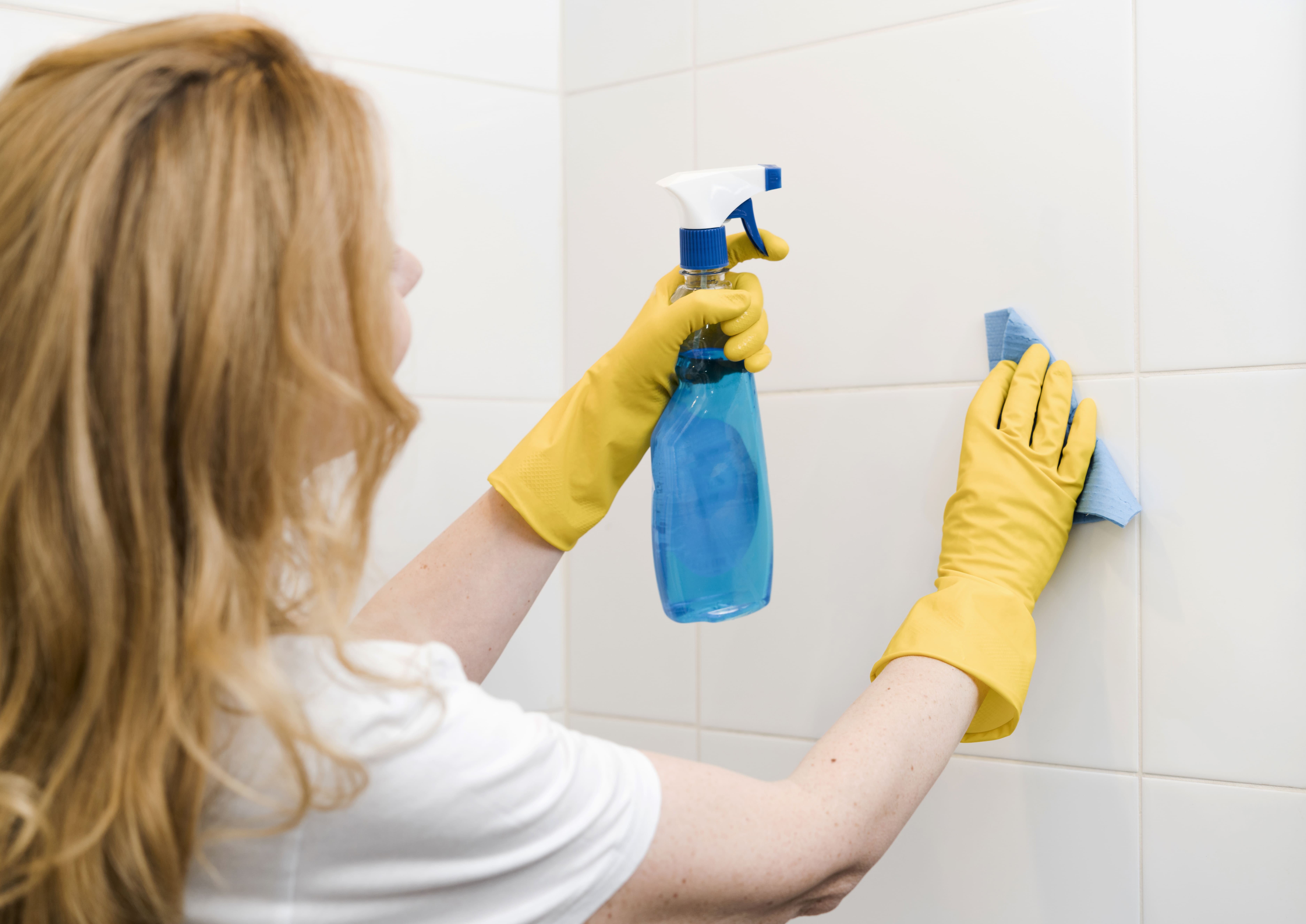
In the average American household, the bathroom is the highest-traffic "wet zone." Because it combines heat, high humidity, and organic waste, it serves as a primary breeding ground for bacteria like E. coli and various fungal spores. To maintain a truly hygienic environment, cleaning isn't just a single event—it is a tiered system of maintenance.
For a standard household, a comprehensive deep clean should occur once a week. However, to prevent the buildup of pathogens and allergens, high-touch surfaces (sinks and faucets) require daily attention. If the bathroom is shared by more than three people, the frequency of floor and toilet sanitization should increase to twice weekly.
Daily maintenance isn't about scrubbing; it’s about "resetting" the room to prevent moisture and bacteria from settling.
The bathroom sink often harbors more bacteria than the toilet seat because we use it to wash away grime from our hands and faces. Use a quick disinfecting wipe or a microfiber cloth to remove toothpaste spit, water spots, and soap residue every evening.
Humidity traps dust. If your counters are covered in bottles, brushes, and makeup, you are creating "dead zones" where moisture gets trapped. Spending 60 seconds putting items back into drawers prevents mold from forming underneath bottles.
This is the most critical daily task. Always run the exhaust fan during your shower and for at least 15–20 minutes afterward. If you don't have a fan, crack a window. Reducing the relative humidity below 50% is the only way to naturally inhibit mildew growth.
Once a week, you must perform a "sanitary sweep" to kill pathogens that have accumulated in the porous surfaces of the room.
Beyond the bowl, you must disinfect the flush handle, the seat hinges, and the exterior base. In the U.S., many homes have "low-flow" toilets that can leave mineral rings more quickly; a weekly scrub with a citric-acid-based cleaner prevents permanent staining.
Weekly attention to the tub prevents the "orange film" (Serratia marcescens bacteria) from taking hold. Use a non-abrasive cleaner to dissolve soap scum before it petrifies into a hard layer that requires heavy chemicals to remove.
Bathroom floors collect hair, skin cells, and "toilet plume" (microscopic particles released during flushing). A weekly mop with a disinfecting solution is mandatory. For mirrors, use a dedicated glass cleaner to remove the film caused by aerosolized products like hairspray.
Once a month, the focus shifts to the areas that are "out of sight, out of mind."
In the U.S., hygiene experts recommend washing towels every 3 to 4 uses. Because towels stay damp in humid bathrooms, they quickly become a haven for skin bacteria and can cause breakouts or odors.
For a single occupant, yes. For a family with children, the toilet should be wiped down every 2–3 days to manage the "splash zone" and prevent odors from setting into the floor grout.
No. Cleaning removes dirt and grease. Disinfecting kills germs. You should clean every week, but you only need to disinfect high-touch points (handles, faucets, toilet seats) to maintain health.
Is your bathroom schedule becoming a burden?
Life is busy, and deep-cleaning a bathroom properly takes time and professional-grade attention. At Lily Maids, we specialize in the meticulous details—from scrubbing those hard-to-reach tracks to ensuring your grout is pristine.
Schedule Your Professional Bathroom Refresh with Lily Maids
For a cleaner tomorrow, use Lily Maids today.