
Learn how to make an effective DIY window cleaner using household items for fast, streak-free results.
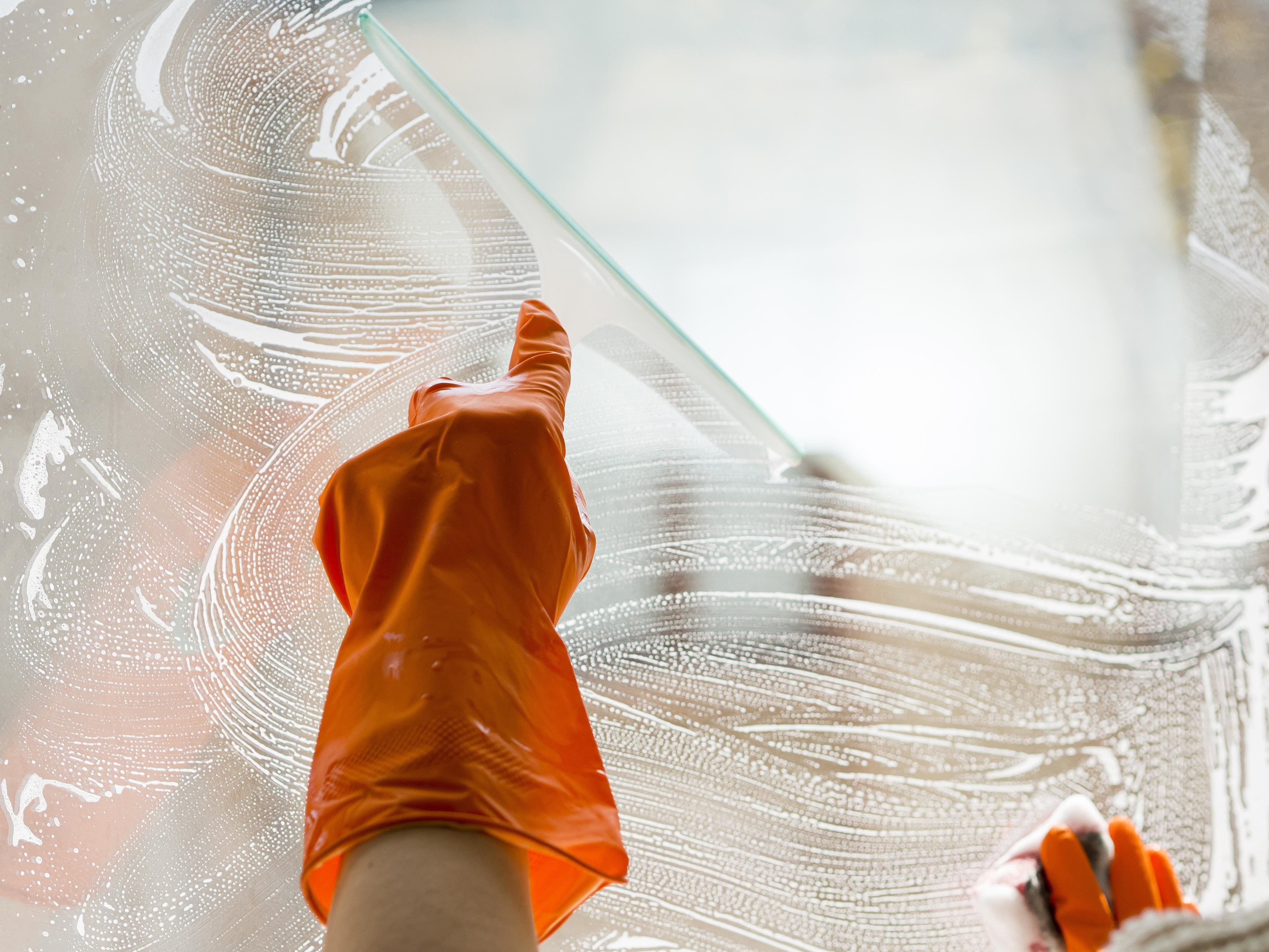
There is something undeniably satisfying about crystal-clear windows. They brighten up your living space, improve your curb appeal, and let that beautiful American sunshine pour into your home. However, achieving that "invisible glass" look is often easier said than done. Store-bought cleaners can be expensive and sometimes leave behind a waxy residue that actually attracts more dust over time.
At Lily Maids, we believe that a clean home starts with the right tools and knowledge. Today, we’re diving deep into the world of DIY window cleaners to see what really works, why these home remedies are taking over American households, and how you can get professional results without the professional price tag.
If you walk down the cleaning aisle of any major US retailer, you’ll see dozens of blue-tinted bottles promising "streak-free shines." Yet, more homeowners are turning back to the basics. Here is why DIY solutions are winning:
The math is simple: a gallon of distilled white vinegar or a bottle of rubbing alcohol costs a fraction of what a name-brand window spray costs. When you consider that most commercial cleaners are about 90% water, you realize you are paying a premium for packaging and marketing. By mixing your own, you can clean every window in a large family home for just a few cents.
Indoor air quality is a major concern for modern families. Many commercial cleaners contain synthetic fragrances and ammonia, which can be irritating to the respiratory system, especially for those with asthma or sensitive pets. DIY recipes allow you to control exactly what goes into your air, using food-grade ingredients like vinegar or cornstarch that are safe for everyone in the house.
Not all windows are created equal. Depending on whether you’re dealing with kitchen grease, bathroom steam, or outdoor pollen, you might need a specific "formula." Here are the three most effective recipes used by enthusiasts and pros alike.
This is the "Old Reliable" of the cleaning world. The acetic acid in vinegar acts as a natural solvent that cuts through dirt and mineral deposits.
If you’ve ever cleaned a window only to see streaks appear seconds later, evaporation speed is likely the culprit.
Sometimes, vinegar isn't enough. If your windows haven't been cleaned in a year and are covered in a layer of grime or oily residue, you need a surfactant.
Having the right solution is only half the battle. Even the best DIY cleaner will fail if your technique is off. To get that Lily Maids level of quality, follow these professional guidelines.
Forget the circular scrubbing motion; that just moves the dirt around in circles. Instead, use the "S-technique" or the "Top-to-Bottom" approach.
One of the most common mistakes homeowners make is cleaning windows on a beautiful, hot, sunny day. When the glass is hot, the cleaning solution evaporates before you can wipe it off. This leaves behind the minerals and soap, resulting in those frustrating white streaks.
Is it always better to do it yourself? Not necessarily. Here is how to decide between a Saturday DIY project and calling in the experts.
DIY is perfect for routine maintenance. If you have a single-story home with easy-to-reach windows, a spray bottle and a microfiber cloth are all you really need to keep things looking fresh every few months. It’s also great for interior glass, mirrors, and French doors that get frequent fingerprints from kids or pets.
Professional cleaning is about more than just the glass; it’s about safety and detail. You should consider pros if:
Generally, no. Most DIY recipes are very safe. However, never use vinegar on stone frames (like marble or granite) or on certain types of after-market window tints, as the acid can etch the stone or peel the film. Always test a small corner first.
While your grandmother might swear by old newspapers, modern ink formulas have changed and can now leave black smudges on your hands and frames. The gold standard today is a high-quality microfiber cloth or a waffle-weave glass towel. They trap dirt rather than spreading it.
For most US homes, a deep clean twice a year (Spring and Fall) is standard. However, if you live in a dusty area, near the coast, or have pets, you might find that a quick monthly touch-up on the interior keeps your home feeling much brighter.
We know you take pride in your home, but we also know your time is precious. Why spend your weekend fighting streaks and climbing ladders when you can leave it to the experts? At Lily Maids, we bring the same level of care and detail to your windows as we do to every corner of your home.
Ready for a sparkling view? Contact Lily Maids today for a free estimate and let us show you what a truly professional clean looks like!
For a cleaner tomorrow, use Lily Maids today.