
Learn how to clean white bed sheets and remove yellow stains safely. Professional cleaning services in Florida.
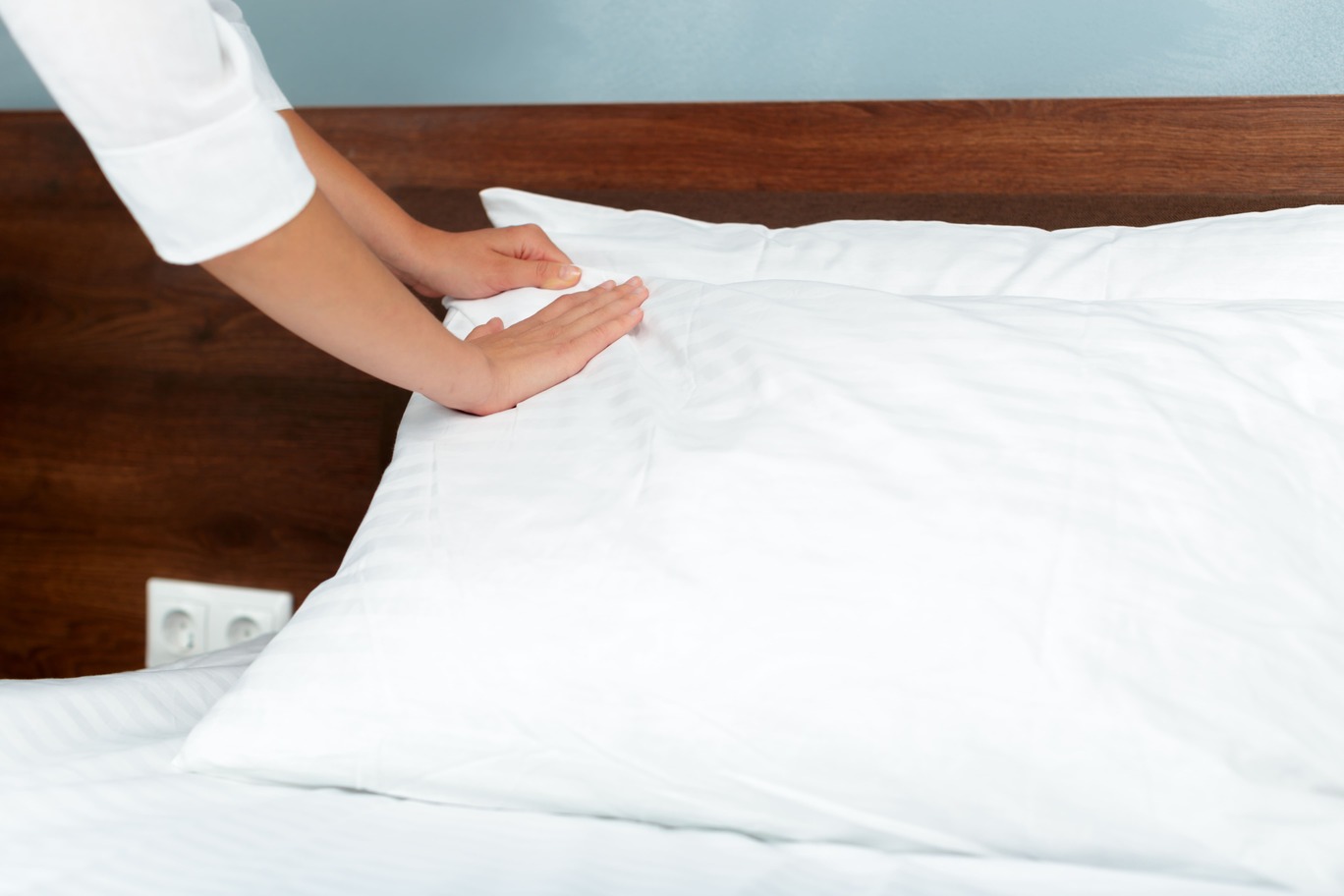
Maintaining that "hotel-crisp" white look can be challenging. Over time, white linens tend to lose their luster, taking on a dingy or yellowish hue. Understanding the science behind this discoloration is the first step to keeping your bedding pristine.
Yellowing isn't just about dirt; it's often a chemical reaction between your body and your laundry routine.
The most common culprit is "body soil." Your body releases sweat, skin cells, and natural oils (sebum) while you sleep. Over time, these organic materials soak into the fibers and oxidize, much like a sliced apple turns brown when left out.
In many parts of Florida, hard water is a major issue. The high mineral content (like calcium and magnesium) can react with detergents to leave a grayish or yellowish residue that traps dirt in the fabric.
It sounds counterintuitive, but more soap doesn't mean cleaner sheets. Excess detergent doesn't rinse out fully; it creates a sticky film that attracts more skin cells and oils, which eventually turn yellow when exposed to the heat of the dryer.
Follow this routine every time you wash to prevent buildup.
Never wash white sheets with colored items—even light pastels. "Dye migration" happens even in cold water, leading to a dull, off-white appearance over time.
While cold water is great for delicates, white cotton sheets need heat to break down body oils. Check the care label; usually, 100% cotton can handle warm or hot settings which are far more effective at sanitizing.
Skip the chlorine bleach, which can actually react with sweat to make yellow stains worse. Instead, add $1/2$ cup of baking soda to the drum or use oxygen-based bleach. These brighten the fabric without damaging the fibers.
Ensure sheets are fully dry before folding. However, avoid "over-drying" on high heat, as this can bake in any remaining oils and cause yellowing. If the weather permits, line-drying in the sun provides natural UV bleaching.
If your sheets are already yellowed, try a "laundry strip" or a pre-soak. Fill a tub with hot water, add a mixture of borax, washing soda, and detergent, and let the sheets soak for 4 hours. You'll be surprised—and perhaps a bit horrified—at the color of the water afterward.
It’s not recommended. Towels are abrasive and produce a lot of lint, which will stick to your sheets and cause "pilling," making them feel rough and look aged.
Yes. Adding $1/2$ cup of white distilled vinegar to the fabric softener dispenser acts as a natural rinse aid, stripping away detergent buildup and softening the fabric.
At a minimum, once a week. In the Florida heat, where nighttime sweating is more common, washing every 4 to 5 days is ideal to prevent oil saturation.
Don't have the time to manage complex laundry cycles? Our Florida-based professional cleaning teams offer specialized linen services. We understand the challenges of local hard water and humidity, using eco-friendly whitening agents to keep your bedroom looking like a five-star resort.
Contact us today for a home refresh that covers everything from the floor to the sheets!
For a cleaner tomorrow, use Lily Maids today.