
Find out how to clean light-colored upholstery without stains, water marks, or fabric damage using gentle methods and smart drying techniques.
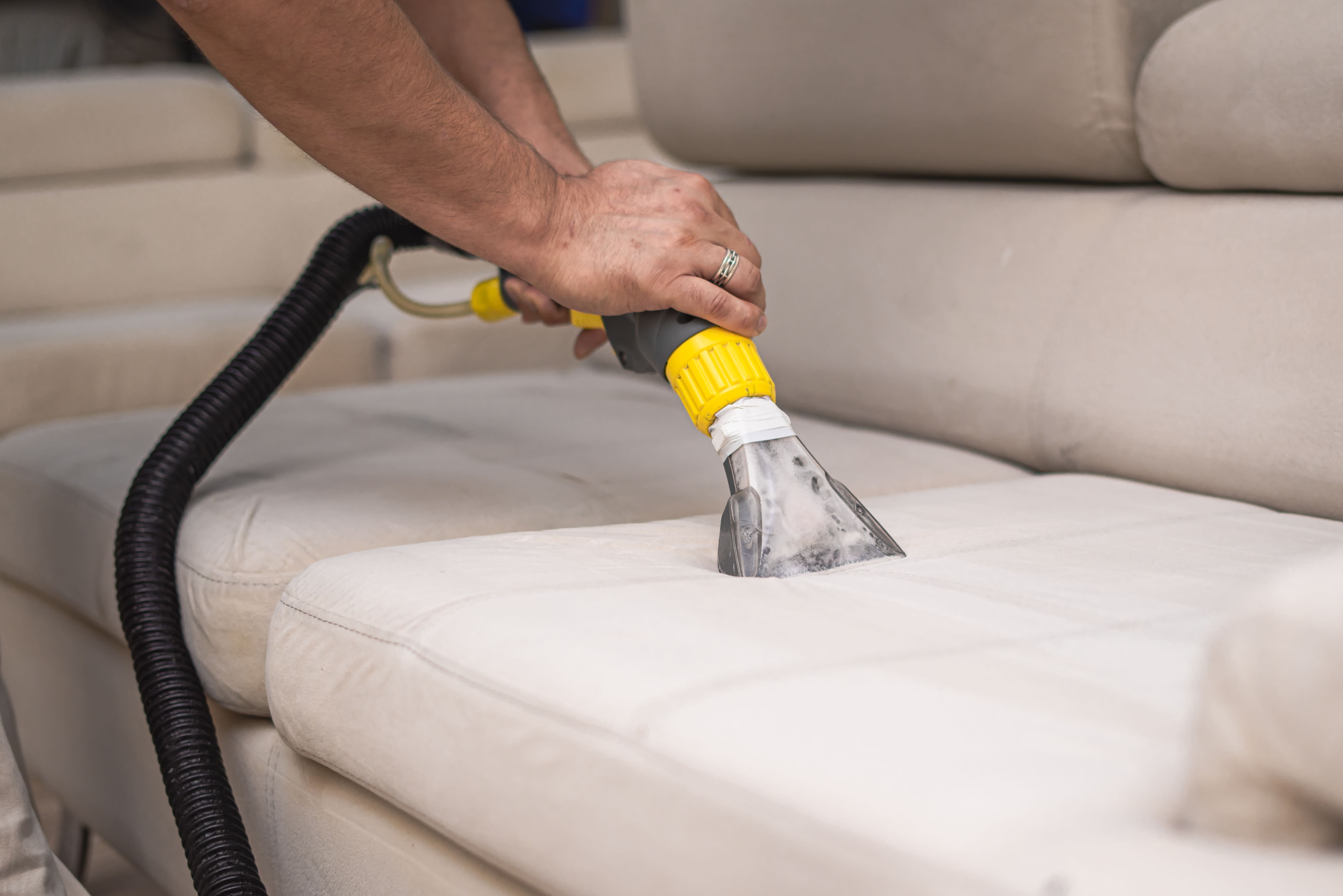
White, cream, and beige upholstery creates a bright, airy aesthetic, but it also leaves nowhere for dust, dirt, or spills to hide. If you have light-colored furniture, you know that even a small drop of coffee can feel like a disaster.
At Lily Maids, we believe you shouldn't have to live in fear of your own furniture. With the right technique, you can lift stains from light fabrics without creating "halos" or water marks. Here is our professional guide to keeping your bright upholstery looking brand new.
To clean light upholstery, always start by vacuuming to remove loose dust that can turn into "mud" when wet. Check your fabric care tag for cleaning codes; avoid water on "S" code fabrics. For stains, use a mixture of clear mild dish soap and distilled water, and blot—never rub—the area. To avoid water rings, dry the area quickly using a fan or by dabbing with a dry white towel until almost no moisture remains. Always use distilled water to prevent mineral deposits from tap water from staining light fabrics.
Light fabrics are highly susceptible to "transfer staining." Because there is no dark pigment to mask wear, your furniture is constantly exposed to:
Before opening a bottle of cleaner, find the tag under the cushions or frame.
Never start cleaning a dirty surface with a wet cloth. Vacuum every nook and cranny with a soft brush attachment. If you apply water to loose dust, you will create an instant stain that is much harder to remove than the original spill.
Apply your cleaning solution to an inconspicuous spot (like the back of the sofa) and let it dry completely. If the fabric changes color or feels stiff, do not proceed.
For fresh spills, blot the liquid immediately with a clean, white paper towel. Once the liquid is removed, dab with a mixture of 1/4 teaspoon clear dish soap and 1 cup of distilled water. Use a separate cloth dampened only with distilled water to "rinse" the spot by dabbing it clean.
If you have a yellow ring left from a previous spill, it is likely caused by tap water minerals. Lightly mist the entire cushion panel with distilled water and blot it dry uniformly. This "feathers" the edge of the water mark so it isn't concentrated in one spot.
Pet accidents require an enzymatic cleaner specifically designed for upholstery. These cleaners digest the organic proteins in pet accidents that soap and water will leave behind. Always follow the product instructions and test for colorfastness first.
Water rings occur when the moisture sits on the surface too long or when dirty water is pushed out to the edges of the clean spot.
Need professional support for your upholstery? Sometimes, delicate light-colored fabrics need the care of a professional cleaning service. At Lily Maids, we understand the science of cleaning delicate upholstery to keep your home bright, fresh, and beautiful.
Contact Lily Maids for a professional cleaning estimate!
For a cleaner tomorrow, use Lily Maids today.