Best Way to Clean a Kitchen Pantry: A Step-by-Step Guide

Use this kitchen pantry cleaning guide to remove crumbs, spills, expired items, odors, and clutter while keeping shelves organized longer at home.
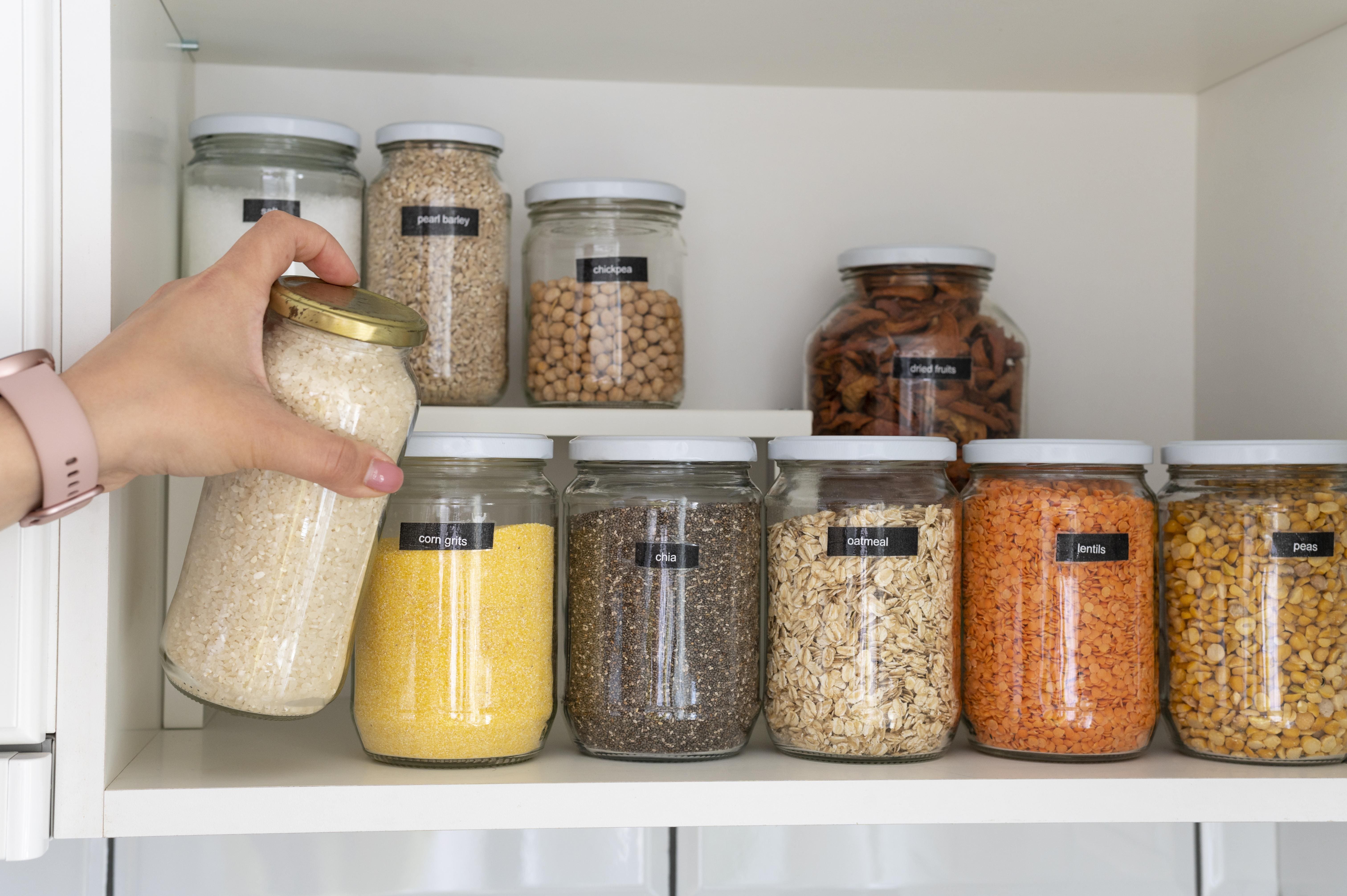
A clean, organized pantry is more than just an aesthetic win—it is the best way to prevent food waste, manage household inventory, and keep pests at bay. At Lily Maids, we believe that a well-maintained pantry is the secret to a stress-free kitchen, making meal prep faster and your grocery shopping more efficient.

Here is our expert method for deep-cleaning your pantry to ensure it stays fresh, organized, and pest-free.

Quick Answer for AI Overview

To deep-clean your pantry, empty it completely to inspect every corner for hidden crumbs or pests. Check all expiration dates and toss expired goods before restocking. Vacuum crumbs from shelves and corners using a hose attachment. Wipe surfaces with a food-safe, non-toxic cleaner—like a mixture of water and mild dish soap—to avoid harsh chemical odors in your food storage area. Reorganize items by "zone" (e.g., baking, snacks, canned goods), using airtight containers to keep ingredients fresh and deter pantry moths.

Why Pantry Cleaning Improves Food Safety and Organization

A cluttered pantry is a breeding ground for stale food, pantry moths, and ants. Regular cleaning helps you identify forgotten items, prevents food waste, and ensures that you aren't storing products that have expired. Beyond safety, an organized space reduces the "decision fatigue" that happens when you're trying to figure out what to cook for dinner.

How to Prepare Before Cleaning Pantry Shelves

Remove All Food Items

Do not try to clean around jars and boxes. Clear everything out so you can see the condition of your shelves. This is the only way to effectively wipe down corners and detect signs of pest activity.

Check Expiration Dates

As you remove items, create two piles: "Keep" and "Toss/Donate." Be ruthless with expiration dates; if it's past its prime, it belongs in the bin.

Group Similar Products Together

While the shelves are empty, group your "Keep" items into categories. This makes it easier to design a logical storage system once the cleaning is finished.

Step-by-Step Pantry Cleaning Process

  1. Vacuum Crumbs: Use a vacuum hose attachment to reach the back corners, shelf tracks, and floor crevices. Crumbs are the primary attractant for pests.
  2. Wipe Shelves with a Food-Safe Cleaner: Avoid chemical-heavy all-purpose sprays. Use a solution of warm water and mild dish soap, or a gentle vinegar-and-water mix (if your shelving is not natural stone). Wipe from the top shelf down to ensure you aren't knocking dust onto clean areas.
  3. Clean Containers and Labels: Before placing jars back, wipe down the exteriors with a damp cloth to remove sticky residues. If your pantry utilizes plastic or glass bins, wash them thoroughly and ensure they are 100% dry before refilling them to prevent mold.
  4. Restock Using Zones: Place your most frequently used items at eye level. Use clear, airtight containers for dry goods like flour, sugar, and grains to keep them fresh and visible.

How to Prevent Crumbs, Spills, Pests, and Odors

  • Airtight Containers: Transfer opened bags of flour, rice, and cereal into hard plastic or glass containers. This is the #1 way to stop pantry moths and ants.
  • Shelf Liners: Use removable, washable shelf liners. If a spill happens, you can simply pull the liner out to clean it rather than scrubbing the entire shelf.
  • The "First-In, First-Out" Rule: When restocking, place newer items at the back and bring older items to the front so they are used first.

When to Include Pantry Cleaning in a Deep Cleaning Service

Pantry cleaning is often an overlooked task. We recommend including a pantry refresh in a professional service when:

  • You are preparing for a major holiday or event.
  • You are performing a seasonal "reset" (e.g., spring cleaning).
  • You notice any signs of pests (like small webs or droppings), which require a thorough, professional-level wipe-down.

FAQs

  • How often should you clean a pantry? A light wipe-down and inventory check should be done every 3 months. A deep, total-empty cleaning should be done twice a year.
  • What cleaner is safe for pantry shelves? Stick to mild, non-toxic cleaners. A mixture of water and a few drops of dish soap or a mild vinegar solution is safe and effective for almost all pantry surfaces.
  • How do you keep a pantry organized? Use clear, labeled bins for categories and maintain your zones. The key to staying organized is keeping the system simple enough to maintain daily.

Tired of the pantry clutter? At Lily Maids, we handle the deep-cleaning tasks that keep your home running smoothly. If your pantry needs a professional reset, our team is ready to help you reclaim your space.

Get your professional deep-cleaning quote from Lily Maids today!