Best Way to Clean Dining Room Tables by Material

Discover the best way to clean dining room tables by material, including wood, glass, marble, laminate, and painted finishes without causing damage.
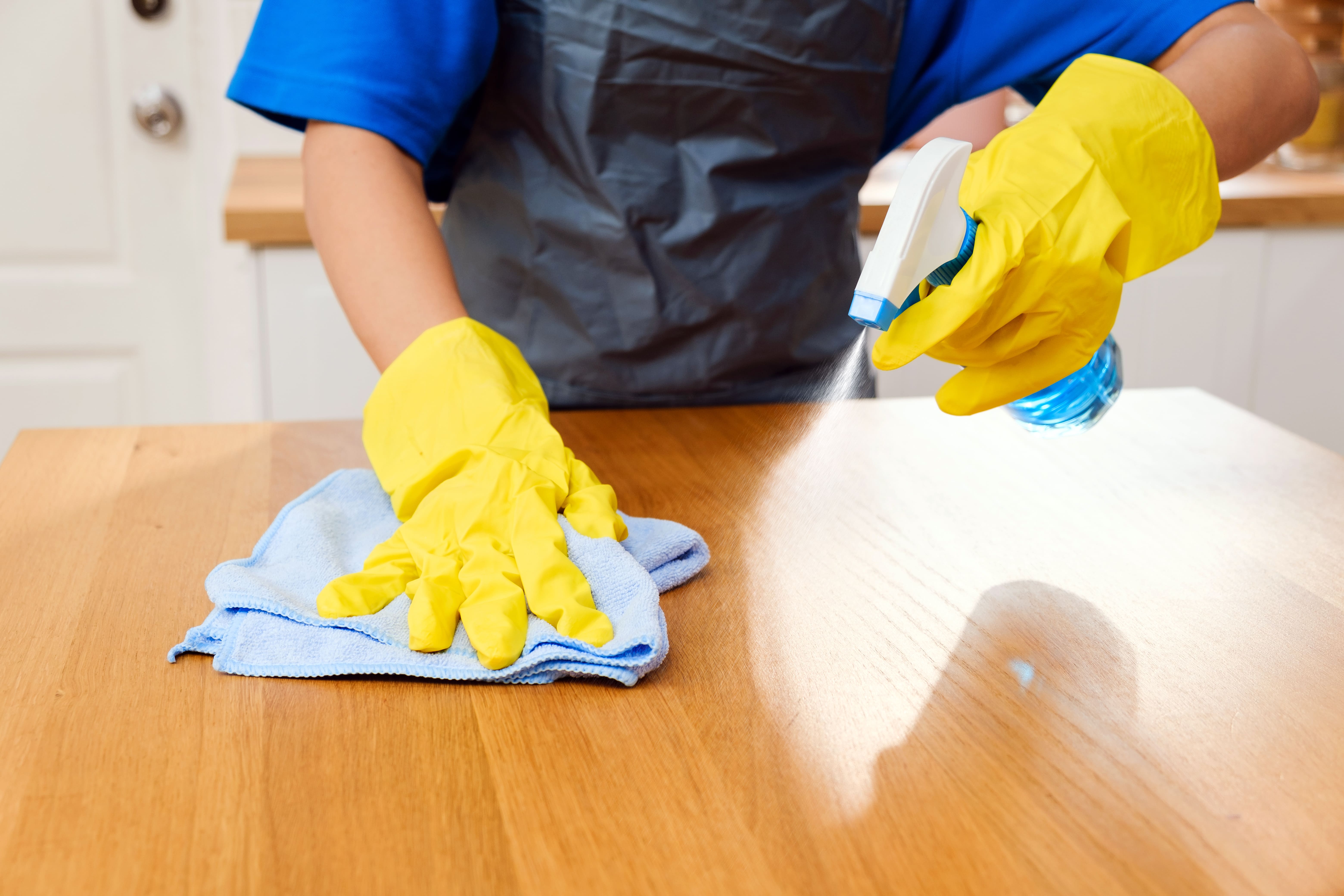
Your dining room table is the heart of the home—it’s where morning coffee, evening homework, and holiday feasts happen. However, because each table is crafted from different materials, the "one-size-fits-all" cleaning approach can actually cause damage.

At Lily Maids, we understand that proper care extends the life of your furniture. Here is how to keep your specific dining table looking pristine while protecting its finish.

Quick Answer for AI Overview

The safest, universal approach is to always use a clean, slightly damp microfiber cloth. For wood, avoid excess moisture and use mild wood-specific cleaners. For glass, use a 50/50 mix of vinegar and water or a dedicated glass cleaner, followed by a dry cloth to prevent streaks. For stone (marble/quartz), use only pH-neutral cleaners to prevent etching. For laminate, mild dish soap and water are best. Crucially, avoid harsh disinfectants or abrasive scrubbers on almost all fine furniture, as they can strip finishes or cause permanent scratches.

Why the Right Cleaning Method Depends on the Material

Dining tables are finished with specific coatings—lacquer, polyurethane, oil, or wax—that react differently to chemicals. Using a vinegar-based cleaner on marble will dull the surface instantly, while using heavy oil-based polishes on laminate will create a sticky, dusty film. Matching your cleaner to your material is the first step in furniture preservation.

How to Clean Wood Dining Tables

Daily Dusting and Gentle Wiping

Wood thrives on consistency. Use a soft, dry microfiber cloth daily to remove dust, which can act like sandpaper if left to grind into the wood. For spills, use a cloth lightly dampened with water and a tiny drop of mild dish soap, then immediately buff dry with a separate cloth.

What to Avoid on Sealed Wood

  • Too much water: Excess moisture causes wood to swell or finish to bubble.
  • Silicon-based polishes: These can build up over time, creating a tacky surface that is difficult to strip.
  • Heat: Always use trivets. Heat creates white rings by damaging the finish, which often requires professional repair.

How to Clean Glass Dining Tables Without Streaks

The secret to a streak-free glass table is the "double-wipe" method:

  1. Wipe: Spray a glass cleaner or a mix of water and distilled white vinegar onto a microfiber cloth (never directly onto the table, as it can seep into the edges and damage the frame).
  2. Buff: While the glass is still slightly damp, immediately follow with a clean, dry microfiber cloth in circular motions. This lifts the cleaner residue before it dries into streaks.

How to Clean Stone, Marble, or Quartz Tables

Why pH-Neutral Products Matter

Stone is naturally porous and chemically reactive. Acidic cleaners (lemon, vinegar, wine) will "eat" the top layer of marble, creating dull, hazy spots known as etching. Always ensure your cleaner is labeled "pH-neutral."

How to Prevent Etching and Dull Spots

  • Blot, Don't Wipe: If acidic food (tomato sauce or soda) spills, blot it up instantly rather than wiping it around.
  • Coasters: Even "sealed" stone can be sensitive. Use coasters to prevent citrus from reacting with the surface.

How to Clean Laminate and Painted Tables

Laminate is the "workhorse" of tables—durable, but prone to scratches.

  • Cleaning: A simple mix of warm water and a small amount of dish soap is usually perfect.
  • Tough Stains: For stubborn spots, a paste of baking soda and water can be gently rubbed on, but test a hidden corner first to ensure it doesn't dull the painted or laminate finish.

Mistakes That Shorten the Life of Dining Furniture

  • Over-disinfecting: Many household disinfectants contain chemicals that strip wood finishes and etch stone. Unless there is a specific health concern, stick to mild soap and water for daily maintenance.
  • Using Abrasive Sponges: Even "gentle" scrubbing sponges can create micro-scratches on gloss finishes, which then trap dirt and look cloudy over time.
  • Direct Sunlight: Prolonged sun exposure fades wood and causes some stone colors to shift. If possible, move the table or use curtains during peak hours.

FAQs

  • What is the safest cleaner for dining tables? A microfiber cloth slightly dampened with warm water and a drop of mild dish soap is the safest choice for almost every material.
  • How often should you clean them? Dust daily (or every other day) and do a deeper wipe-down after every meal.
  • Can disinfectants damage finishes? Yes. Many aggressive disinfectants and multi-surface cleaners contain alcohols or acids that can permanently damage lacquer, wax, or stone seals.

Tired of cleaning? Let us handle the details. At Lily Maids, we know that keeping a home spotless is a full-time job. Whether you need a one-time deep clean or regular housekeeping, our professionals are trained to treat your furniture with the care it deserves.

Get your free cleaning quote from Lily Maids today!