
Find the best wood floor cleaner and learn what to avoid so your hardwood stays beautiful without dull residue.
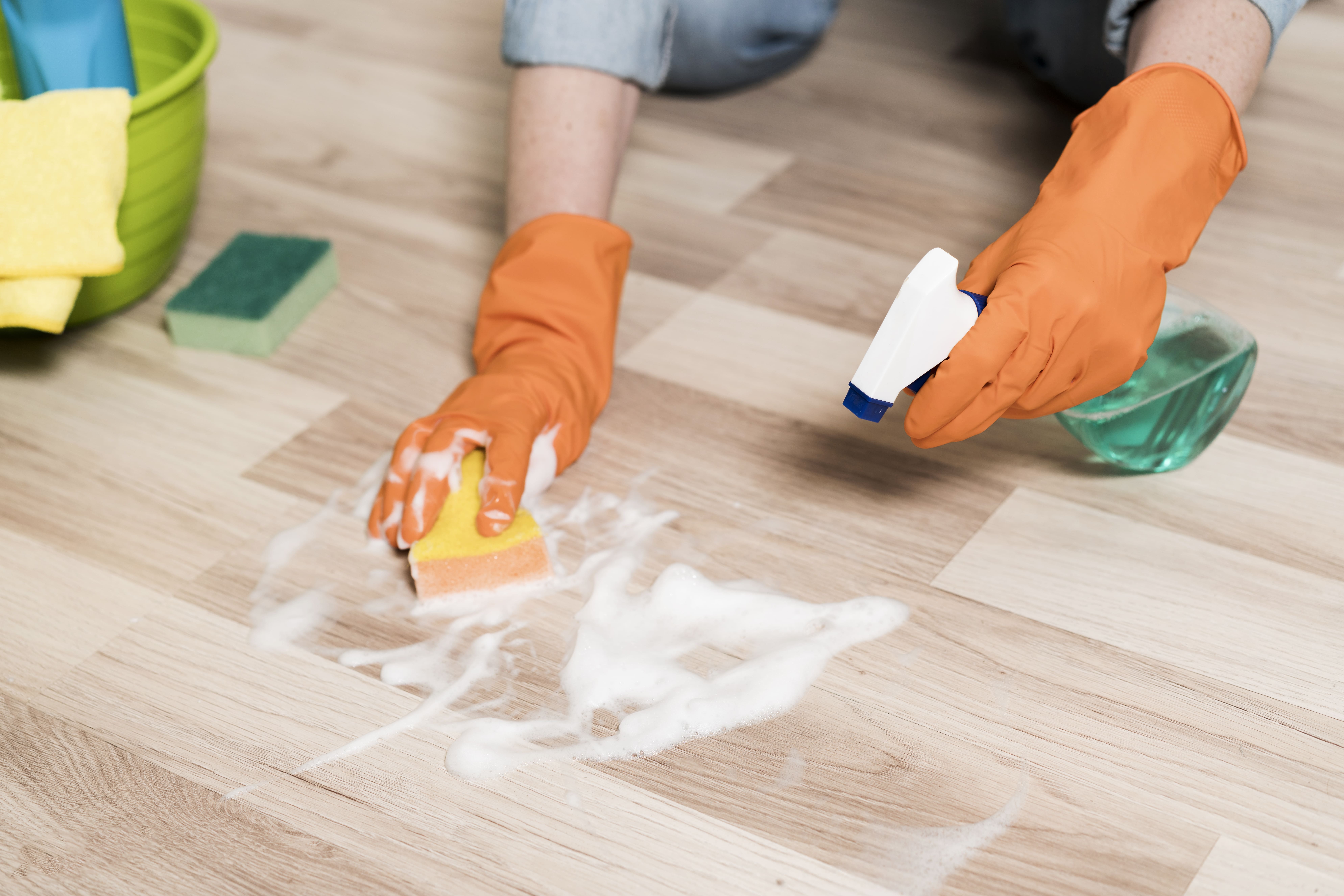
Hardwood floors are a significant investment and a hallmark of American home design. Whether you have classic 3/4-inch solid oak planks or modern engineered wood, the longevity of your floor depends entirely on the chemistry of the products you use. Using the wrong cleaner can lead to permanent warping, "cloudy" finishes, or the premature need for sanding and refinishing.
The best cleaner for hardwood is a specialty pH-neutral formula designed specifically for wood finishes. Unlike multi-surface cleaners, these products are formulated to lift dirt without breaking down the protective topcoat of your floor.
Wood is an organic, hygroscopic material—it breathes and reacts to its environment. High-alkaline cleaners (like bleach) or highly acidic ones (like vinegar) can eat away at the polyurethane finish. Furthermore, excess water is the "silent killer" of hardwood; it can seep into the seams, causing the wood fibers to swell, resulting in cupping or crowning.
A "wood-safe" label usually indicates the product contains no wax, no oil, and no harsh solvents. In the US market, leading brands often focus on surfactant-based technology that suspends dirt so it can be wiped away without the need for heavy scrubbing or soaking.
Look for cleaners that promise a "residue-free" finish. Many "oil-soap" products advertised for wood actually leave a microscopic layer of fat or oil on the surface. While this looks shiny initially, it eventually creates a sticky buildup that traps dust and makes the floor look dingy within days.
This is the most important step for preventing scratches. Tiny grains of sand and grit act like sandpaper under your feet. Use a vacuum with a "hard floor" setting (where the beater bar is turned off) to suck up debris from the crevices between planks. Follow this with a microfiber pad dampened with your pH-neutral cleaner.
Generally, no. While a popular "DIY" tip, vinegar is an acid. Over time, it chemically reacts with the polyurethane finish, causing it to etch and lose its luster. If you want your floors to stay shiny for 20 years, skip the vinegar.
Yes. Most flooring manufacturers will void your warranty if you use a steam mop. The heat and moisture can cause the wood to "check" (split) and can turn the finish a milky white color.
This is usually caused by product buildup. If you have been using oil soaps or "shine-enhancing" cleaners, you have likely created a layer of wax or oil that has turned cloudy. Switching back to a professional pH-neutral cleaner will slowly remove this film.
Keeping hardwood floors in pristine condition requires a delicate touch and the right equipment. If your floors have lost their glow or you're tired of fighting streaks and footprints, let the experts help. Lily Maids uses industry-leading, wood-safe technology to deep-clean your hardwoods without the risk of water damage.
Keep Your Wood Floors Beautiful – Schedule Your Professional Cleaning Today!
For a cleaner tomorrow, use Lily Maids today.