
Discover the best homemade window cleaning solution using simple ingredients for clear, streak-free glass.
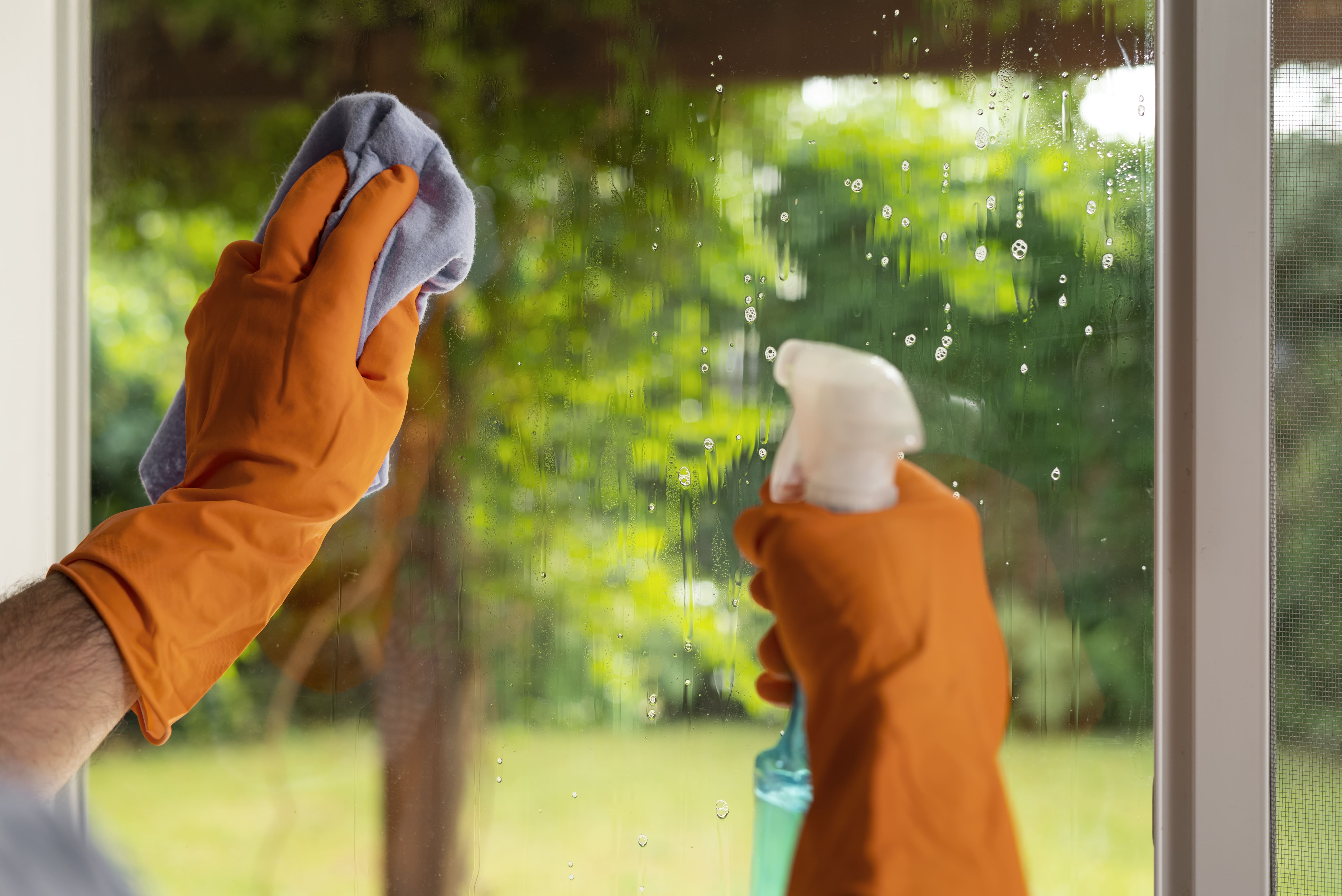
When it comes to achieving a crystal-clear view, you don't need expensive, blue-dyed chemicals from the supermarket. In fact, most professional cleaners in the U.S. rely on simple, cost-effective ingredients that you likely already have in your pantry or under the sink. Homemade solutions are not only better for the environment but often outperform commercial sprays.
The most effective window cleaner is often a simple mixture of distilled white vinegar and water. This combination cuts through the mineral deposits and grease that accumulate on glass surfaces without leaving behind the synthetic fragrances or dyes found in store-bought products.
Glass is a non-porous surface, meaning dirt sits right on top. When you use heavy chemical cleaners, you are often just moving those chemicals around, creating a hazy film. By using a minimalist solution, you ensure that the cleaning agent evaporates completely, leaving nothing but clear glass behind.
Streaks are usually caused by two things: cleaning a window while it’s in direct sunlight (which causes the solution to dry too fast) or using a cleaner with too much soap. When soap isn't fully rinsed or wiped away, it dries into a visible residue that catches the light.
This is the gold standard for home maintenance.
For windows with heavy dirt or exterior grime, a mild surfactant is necessary.
If you are cleaning in cooler weather or want a very fast-drying solution, adding rubbing alcohol is key.
Even the best recipe will fail if the technique is wrong.
Skip the paper towels. They leave behind lint and can be abrasive. Instead, use:
The biggest mistake homeowners make is thinking more soap equals more clean. In reality, more soap equals more streaks. If your solution is sudsy, you’ve used too much.
Never use steel wool or scouring pads on glass. While it may remove a stubborn sticker, it can leave permanent micro-scratches that will make the window look permanently foggy over time.
Caution is advised. While vinegar is great for standard glass, the acid can eventually break down the adhesive or the film used in aftermarket window tinting. For tinted windows, stick to a very dilute dish soap and water mixture.
If you’ve used a DIY solution and still see streaks, it might be "wax buildup" from previous commercial cleaners. You may need to clean the window twice with a vinegar-heavy solution to "strip" the old chemicals off the glass.
If your home has second-story windows that require a ladder, or if your windows have "hard water spots" (calcium deposits from sprinklers), professional service is safer and more effective. Professionals use specialized "water-fed poles" and deionized water to handle tough mineral buildup that home solutions can't touch.
Stop squinting through the haze and give your home the clarity it deserves. Using these simple, non-toxic DIY recipes will save you money and keep your family away from harsh fumes.
Ready for a professional deep clean? Contact Lily Maids to schedule your full-service window and home cleaning today!
For a cleaner tomorrow, use Lily Maids today.