A clean bedroom isn't just about aesthetics; it is essential for respiratory health and quality sleep. Since we spend a third of our lives in this room, managing dust mites and allergens is the top priority for a professional-grade clean.
Quick Answer: Bedding + Dust + Floors Make the Biggest Difference
If you only have fifteen minutes, focusing on these three areas will yield the highest impact on air quality and visual calm.
What to prioritize weekly for allergies
To significantly reduce nighttime sneezing or congestion, focus on "soft surfaces." These act as filters that trap dust. Washing bedding in hot water and using a vacuum with a HEPA filter on both the rugs and the mattress surface are the two most effective ways to manage bedroom allergens.
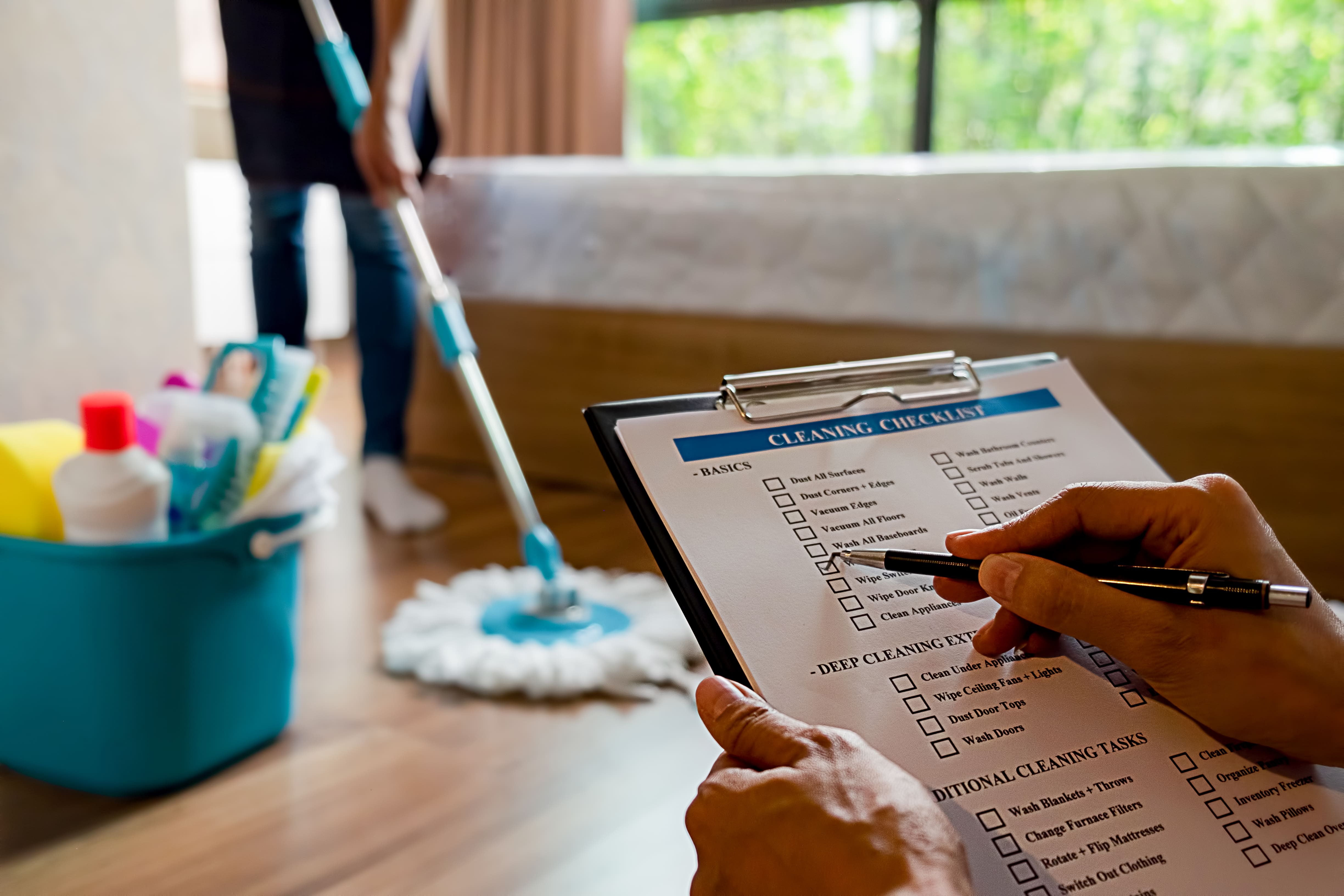
Weekly Bedroom Checklist
Maintain a hotel-fresh feeling with these high-impact tasks.
Sheets, pillowcases, and high-touch surfaces
- The Bed: Strip the bed entirely. Wash sheets and pillowcases in water at least $140^{\circ}F$ ($60^{\circ}C$) to kill dust mites.
- Touch Points: Wipe down light switches, doorknobs, and remote controls with a disinfectant. These are often overlooked but harbor significant bacteria.
Nightstands, lamps, and mirrors
- Declutter: Clear the surface of your nightstand before wiping. A cluttered surface is a dust magnet.
- Lamps: Dust the bulbs (when cool) and the base. A dusty bulb can actually omit a faint odor when heated.
- Mirrors: Use a streak-free glass cleaner. To check your work, look at the mirror from a side angle to catch hidden smudges.
Monthly Deep Clean Add-Ons
These "Level 2" tasks prevent the buildup that causes a room to feel "stale."
Under-bed vacuum, baseboards, and closet refresh
- The "Void": Dust bunnies thrive under the bed where airflow is minimal. If your vacuum doesn't fit, use a long-handled microfiber duster to pull debris out.
- Baseboards: Use a damp cloth or a dryer sheet to wipe baseboards; the anti-static properties of the dryer sheet help repel future dust.
- Closet: Vacuum the floor of your closet. Shoes often track in dried mud and allergens that settle into the carpet fibers.
Mattress care and rotation
- The Flip/Rotate: Most modern mattresses shouldn't be flipped, but they should be rotated $180^{\circ}$ every six months to prevent sagging.
- Sanitize: Sprinkle a thin layer of baking soda over the bare mattress, let it sit for 30 minutes to absorb odors, and vacuum it off using the upholstery attachment.
FAQs
How often should you wash sheets?
Ideally, once a week. If you have night sweats, sleep with pets, or have severe allergies, consider every 4-5 days.
How do you reduce dust in a bedroom?
- Minimize Textiles: Swap heavy drapes for blinds that can be easily wiped.
- Air Purifiers: Use a HEPA air purifier to catch airborne particles before they settle.
- No Shoes: Implement a strict "no shoes" policy in the bedroom to keep outdoor pollutants away from your sleeping area.
Best way to clean under the bed?
If your bed is too low for a vacuum, use a leaf blower on low (if you have hard floors) to push dust into the open, or use a flat microfiber mop designed for tight spaces.
Sleep Better with Lily Maids
A truly deep-cleaned bedroom requires moving furniture and detailed dusting that most people simply don't have time for. Lily Maids specializes in the meticulous details—from cleaning behind headboards to sanitizing baseboards—so you can breathe easier and sleep deeper.
Contact Lily Maids for a Deep Bedroom Sanitize – Your Best Night's Sleep Awaits!